Quick Reference
- Price Range: ¥3,000 – ¥10,000 per visit (men); ¥0 – ¥500 (women)
- Best Areas: Shibuya, Shinjuku, Ikebukuro, Roppongi
- Foreigner-Friendly: Yes, especially JIS chain and Roppongi/Shibuya locations
- Japanese Required: Basic to Intermediate helpful; translation apps work
- Duration: 60-120 minutes typical
What motivates people to visit aisekiya (shared-table restaurants)? What social dynamics are at play? Understanding the cultural expectations at these unique Japanese establishments can help visitors make the most of the experience.
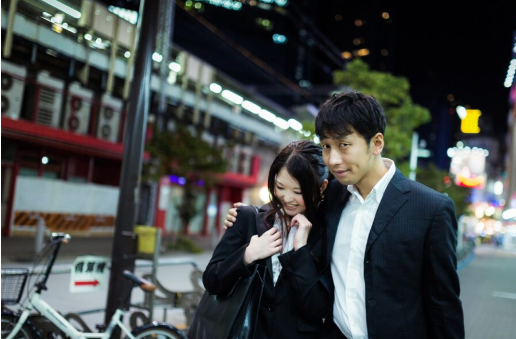
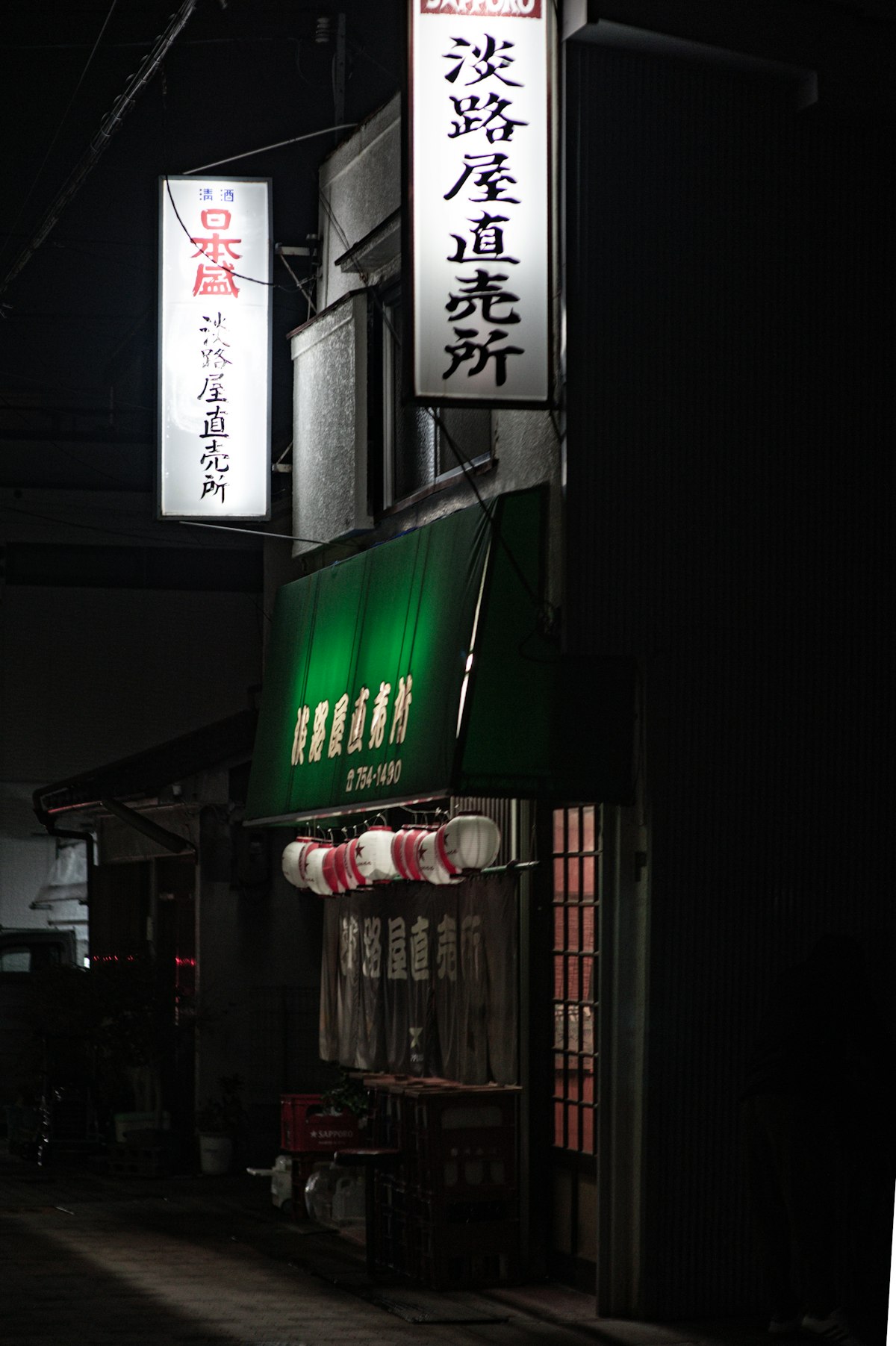
Aisekiya are a distinctly Japanese social dining concept -- restaurants where groups of strangers are seated together at shared tables, creating a structured environment for socializing. They have become increasingly popular as a way for people to meet new acquaintances in a relaxed, food-centered setting.
If you are visiting Japan as a solo traveler, aisekiya offer one of the most approachable ways to meet locals. Check out our solo traveler guide for more tips on navigating Tokyo on your own.
Based on extensive visits to aisekiya (over 200 visits), along with interviews from frequent patrons, this article covers:
- What motivates people to visit shared-table restaurants
- How social connections develop naturally at aisekiya
- Social etiquette and conversation tips for these venues
- Pricing breakdowns and how to manage your budget
- The best aisekiya venues in Tokyo for visitors
- How aisekiya compare to other ways of meeting locals
Understanding the Social Dynamics at Aisekiya
To make the most of an aisekiya experience, it helps to understand the motivations and expectations of other guests. Here is what surveys and interviews have revealed about why people visit these establishments.
Are guests just looking for a free meal?
A common misconception is that female guests at aisekiya are primarily motivated by the offer of free or discounted food and drinks (many aisekiya charge men more and offer women free or reduced-price entry).
However, the reality is more nuanced:

While some guests do come primarily for affordable drinks as a continuation of a night out, survey data shows that nearly half of female guests specifically come with the intention of meeting new people.
The discounted pricing model serves as a convenient social excuse. In Japanese culture, there can be a social stigma around appearing too eager to meet romantic interests. The aisekiya format provides a comfortable framework where socializing happens naturally over food and drinks.

Aisekiya operators understand this social psychology well -- by creating a venue centered on dining, they remove the pressure that people might feel at a dedicated singles event.
According to survey data, approximately 14% of guests arrive with the specific intention of continuing the evening beyond the restaurant. However, many more are open to the possibility depending on how the conversation goes.
Whether a social connection develops beyond the restaurant depends largely on conversational chemistry and the overall group dynamic.
How Aisekiya Pricing Works
Understanding the pricing structure before you walk in will help you budget your evening and avoid surprises. Aisekiya use a time-based billing system that differs significantly from a regular restaurant or bar.
Men's pricing
Men pay per time block, typically in 30-minute increments. The standard rate across most chains is between 1,500 yen and 2,500 yen per 30-minute block. This fee includes unlimited drinks from a set menu -- usually beer, highballs, shochu, and basic cocktails. Some venues include soft drinks and non-alcoholic options as well.
Premium drinks such as whisky or imported spirits may cost extra, so ask the staff what is included before ordering. On a typical visit lasting 1 to 2 hours, men should expect to spend between 3,000 yen and 10,000 yen in total depending on the venue and duration.
Women's pricing
Women enter for free at most aisekiya chains, or pay a small cover charge of 0 to 500 yen. Unlimited drinks are included just as they are for men. This pricing gap is what makes the business model work -- it ensures a steady flow of female guests, which in turn attracts male customers willing to pay the higher rate.
Food charges
Food policies vary by venue. Some aisekiya include a basic food menu (snacks, small plates) within the time-based fee. Others offer food as a separate charge. A few operate purely as bars with no food service at all. If food is important to you, check the menu or website before visiting.
Registration and system fees
Some chains charge a one-time registration fee of 500 to 1,000 yen on your first visit. This may include creating a member card or signing up on a tablet. Not all venues charge this, but it is common enough that you should factor it into your first visit budget.
The timer system
When you are seated, the clock starts. Staff will notify you as each time block ends, and your bill increases accordingly. You can leave at any time -- simply tell the staff you would like to settle your bill. There is no penalty for leaving mid-block, but you will still be charged for the block in progress.
Payment methods
Cash is the safest option. While some larger chains now accept credit cards and mobile payments, smaller venues may be cash-only. Carry enough yen to cover your visit comfortably.
| Cost Item | Price Range | Duration | Notes |
|---|---|---|---|
| Men's entry fee | ¥1,500-2,500 | Per 30 min | Includes unlimited standard drinks |
| Women's entry fee | ¥0-500 | Per visit | Free at most chains |
| Registration fee | ¥500-1,000 | One-time | First visit only; not all venues charge |
| Food (if separate) | ¥500-2,000 | Per order | Some venues include food in the fee |
| Typical total (men, 90 min) | ¥5,000-8,000 | ~90 min | Including registration and food |
Cost optimization tips
Visit during happy hour windows, which typically run from 5 PM to 7 PM, when some venues offer reduced rates. Weekday visits are generally cheaper than Friday and Saturday evenings. Some chains offer discount coupons on their websites or through apps like Hot Pepper. Setting a personal time limit before you walk in -- say, 90 minutes -- helps keep your spending predictable.
Best Aisekiya Venues in Tokyo
Tokyo has dozens of aisekiya spread across its major nightlife districts. Here are the most popular chains and what makes each one worth visiting.
Aisekiya (相席屋)
The largest and most well-known chain, with locations in Shibuya, Shinjuku, Ikebukuro, and Roppongi. Aisekiya pioneered the shared-table concept and remains the default choice for many locals. The experience is reliable and standardized: you check in, get seated, and staff handle rotations at regular intervals. Pricing is on the standard side, and the clientele ranges from office workers to university students depending on the location and day of the week.
JIS (Japan International Social)
If you are a visitor who does not speak much Japanese, JIS is worth considering. The brand positions itself as more foreigner-friendly, with some English-speaking staff available at their Roppongi and Shibuya locations. The atmosphere tends to be a bit more international, and you are more likely to encounter Japanese guests who are interested in cross-cultural conversation. Pricing is comparable to Aisekiya.
Oriented
Popular with a younger crowd, Oriented locations tend to feature trendy interiors and a more upscale vibe. The clientele skews toward people in their 20s and early 30s. If you prefer a stylish atmosphere and a younger social scene, this chain is a strong pick. Locations are concentrated in Shibuya and Shinjuku.
The Public Stand
This venue takes a slightly different approach to the aisekiya concept. Rather than seated dining, The Public Stand uses a casual bar and lounge format with standing and seating areas. The atmosphere is closer to a social bar than a restaurant, which some guests find less formal and more natural. It is a good option if the structured table-seating format feels too rigid for your taste.
Location tips
As a general rule, aisekiya in Roppongi and Shibuya tend to be the most foreigner-friendly. Staff at these locations are more accustomed to international visitors, and the local clientele is more likely to speak some English. Shinjuku and Ikebukuro locations cater more heavily to Japanese locals, which can be a great experience if you speak conversational Japanese but may feel more challenging otherwise.
Social Etiquette at Aisekiya
Based on interviews with frequent aisekiya patrons, here are social tips for making a positive impression and building genuine connections.
Step 1: Invest time in genuine conversation
When the conversation is flowing well and the group atmosphere is positive, it can be tempting to rush things along.

Since aisekiya typically have time limits on seating, some guests feel pressure to move quickly. However, suggesting leaving too soon is generally seen as poor etiquette and can create a negative impression.
Showing generosity and patience makes a much better impression than appearing rushed or calculating. Spend a meaningful amount of time enjoying the shared dining experience and building rapport with the group.
Step 2: Suggest a second venue for the group
The social dynamic often deepens when the group moves to a second venue together. A relaxed atmosphere and continued conversation help people feel more comfortable.
Aisekiya are typically lively and group-oriented, which is great for initial introductions but may not facilitate deeper one-on-one conversation.
Popular choices for a second venue include karaoke, quieter bars, or late-night restaurants where the group can continue socializing in a more intimate setting.
Keep the atmosphere fun and social. When people are enjoying themselves, they are naturally more inclined to extend the evening.
Step 3: Be respectful and read social cues
As the evening progresses, pay attention to social cues and body language. Respectful conversation and genuine interest in the other person go much further than aggressive approaches.
Being overly forward or ignoring social boundaries will immediately create discomfort. Approach interactions with sensitivity and awareness.
Step 4: Exchange contact information
If you have enjoyed the conversation and feel mutual interest, exchanging LINE IDs or contact information is the natural next step.
Many genuine friendships and relationships begin at aisekiya. Whether the connection leads to future dates, friendships, or simply a pleasant evening of socializing, the shared-table experience is a uniquely Japanese way to meet new people.
What to Talk About
Conversation is the core of the aisekiya experience. What you talk about matters more than how you look or how much you spend. Here are conversation topics that work well, along with subjects you should avoid.
Good conversation starters
Where are you from? Where do they live? This is the most natural opening question at any aisekiya. In Japanese, you can ask "Jimoto wa?" (地元は?) to ask where someone is from. Sharing where you live or where you traveled from gives the conversation an easy starting point.
Travel experiences. Japanese people tend to love talking about travel. If you have visited other parts of Japan -- Kyoto, Osaka, Hokkaido -- mentioning your experiences will spark real interest. Ask them about their travel bucket list or recent trips, and you will find the conversation flowing naturally.
Food recommendations. Japan is a food-obsessed culture, and asking someone about their favorite restaurant or dish is almost always a winner. You can ask what they recommend in the local area, which doubles as useful information for your trip.
Hobbies and interests. Simple questions about what someone does in their free time open up a wide range of follow-up topics. Fitness, cooking, hiking, shopping -- these are all safe and engaging subjects.
Pop culture. Showing interest in Japanese pop culture -- anime, music, TV dramas, movies -- signals cultural curiosity and gives you common ground. You do not need to be an expert. Even knowing a few popular titles or artists shows that you are genuinely interested in Japanese culture beyond surface-level tourism.
Topics to avoid
Politics and controversial subjects. Japanese social culture values harmony (wa), and bringing up divisive political topics creates immediate discomfort. Save these discussions for close friends, not first meetings at an aisekiya.
Salary and income questions. Asking how much someone earns is considered rude in Japan, even more so than in Western cultures. Avoid questions about income, rent costs, or anything that puts someone in the position of disclosing their financial situation.
Overly personal questions early on. Questions about someone's relationship history, family situation, or living arrangements can feel intrusive during a first meeting. Let these topics come up naturally over time rather than forcing them into early conversation.
Negative comments about Japan. Complaining about Japanese customs, food, or social norms is a quick way to end a conversation. Even if you find something genuinely frustrating, an aisekiya is not the place to air those grievances. Focus on what you enjoy about the country.
For a broader look at meeting people in Japan, including approaches beyond aisekiya, read our meeting people guide.
Aisekiya vs Other Ways to Meet Locals
Aisekiya are just one option among several for meeting Japanese locals. Each method has its own strengths, costs, and trade-offs. The table below compares the most common approaches so you can decide which fits your style and budget.
| Method | Cost | Language Needed | Effort Level | Success Rate | Best For |
|---|---|---|---|---|---|
| Aisekiya | 3,000-10,000 yen | Medium Japanese | Low | Medium | Casual socializing |
| Dating Apps | Free-5,000 yen/mo | Low (text-based) | Medium | Medium-High | One-on-one dates |
| Bar / Club | 3,000-8,000 yen | Low | High | Low-Medium | Night owls |
| Language Exchange | Free-1,000 yen | Low | Medium | Medium | Meaningful connections |
| Izakaya (solo bar) | 2,000-5,000 yen | Medium Japanese | High | Low | Adventurous types |
Aisekiya stand out for their low effort level. You walk in, get seated, and the conversation begins. There is no need to approach strangers or craft opening messages. The downside is cost -- men's fees add up quickly, and you have no control over who you are seated with.
Dating apps like Tinder, Bumble, and Pairs give you more control over who you match with. The text-based format is easier for non-Japanese speakers since you can use translation tools. However, converting matches into actual meetups requires sustained effort and patience.
Bars and clubs offer the most spontaneous encounters but demand the highest confidence. You need to approach strangers, navigate loud environments, and compete for attention. Language barriers are less of an issue since clubs are not conversation-heavy, but meaningful connections are harder to build.
Language exchange meetups are the most budget-friendly option. Events organized through Meetup.com, HelloTalk groups, or local community centers attract people who are specifically interested in cross-cultural interaction. The atmosphere is friendly and low-pressure, though these events are not designed for dating.
Solo izakaya visits can lead to organic conversations with locals, especially at counter-seating bars where you sit alongside other solo diners. This approach requires conversational Japanese and a willingness to initiate contact, but the connections that form tend to feel the most authentic.
For a comprehensive overview of Japan's social and nightlife scene, see our complete Japan guide.
Tips from Regular Visitors
After hundreds of aisekiya visits and conversations with seasoned regulars, certain pieces of advice come up again and again. These practical tips can make the difference between an average night and a genuinely memorable one.
Visit on Friday or Saturday evenings for the best crowd. Weekday visits tend to draw a smaller, more subdued crowd. Friday and Saturday nights bring out the most social energy, with larger groups and a livelier atmosphere. If your schedule allows it, aim for a 7 PM to 9 PM arrival on a weekend evening.
Do not stay too long at one table if the chemistry is not there. If the conversation feels forced or one-sided after 20 to 30 minutes, request a rotation. Staff are trained to handle this, and no one will be offended. Multiple rotations per visit are normal and expected -- that is the whole point of the format.
Exchange LINE IDs rather than phone numbers. LINE is the dominant messaging app in Japan. Asking for someone's LINE ID is socially natural and low-pressure. Asking for a phone number, on the other hand, can feel overly forward. Have the LINE app installed on your phone before you visit.
Be genuine. Japanese women can spot pickup artist tactics quickly, and rehearsed routines are more likely to create distance than connection. Genuine curiosity about the other person, honest conversation, and a relaxed demeanor work far better than any scripted approach.
Dress neatly. You do not need to wear a suit, but showing up in wrinkled clothes, shorts, or sandals sends the wrong message. Smart casual is the standard -- clean jeans or chinos, a well-fitting shirt, and decent shoes. First impressions carry a lot of weight in Japanese social culture.
Do not drink excessively. The unlimited drinks model makes it easy to overdo it, but being visibly drunk is a major turnoff for most Japanese women. Pace yourself. You are there to have conversations, not to see how much you can drink in 90 minutes.
Follow up the next day with a friendly LINE message. If you exchanged LINE IDs, send a short, friendly message the next day. Something simple like "It was fun talking last night, let me know if you want to grab dinner sometime" goes a long way. Waiting too long to follow up makes it seem like you were not genuinely interested.
Essential Japanese Phrases for Aisekiya
Aisekiya are one of the most accessible ways to experience Japanese social culture firsthand. Whether you are a solo traveler looking for a fun evening out or a long-term resident building a social circle, these venues offer a structured, low-pressure way to meet new people over food and drinks. Walk in with reasonable expectations, a respectful attitude, and genuine curiosity, and you will likely have a great time.