Fuzoku is a term in Japanese culture that refers to leisure and entertainment, including various commercial and non-commercial activities such as restaurants, bars, clubs, shops, and various forms of adult entertainment, such as hostess clubs, massage parlors, and love hotels. It is often associated with the more illicit or controversial aspects of Japanese nightlife.
Quick Reference
- Price Range: ¥3,000 (onakura/pink salon) – ¥60,000+ (premium soapland)
- Main Categories: Soapland, Delivery Health, Pink Salon, Fashion Health, Image Club, Massage Esthe, Onakura
- Best Areas: Kabukicho, Ikebukuro, Yoshiwara, Roppongi
- Foreigner-Friendly: Delivery Health (most accessible), Pink Salons (moderately accessible), Soaplands (least accessible)
- Japanese Required: None for delivery health/pink salons at foreigner-friendly shops; Intermediate for image clubs
Can I go if I am a foreigner?
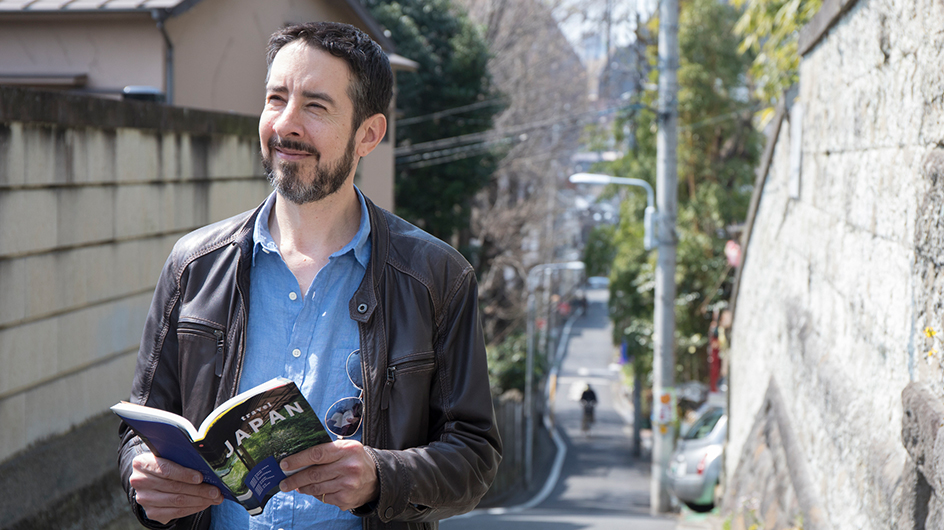
Yes, foreigners can go to Japanese fuzoku establishments, but it is important to keep in mind that some services may not be available to non-Japanese customers, and some establishments may not allow foreign customers at all.
Additionally, cultural differences and language barriers may make it difficult for foreigners to fully understand and participate in certain types of fuzoku services.
It is also important to note that some fuzoku services may be illegal or restricted in certain areas, and engaging in these activities could result in arrest or other legal consequences. It is advisable to research the specific establishment and type of service before visiting and to be aware of local laws and customs.
In any case, it is always important to be respectful of local culture and customs and to behave responsibly when visiting fuzoku establishments in Japan or any other country.
Soaplands: Full-Service Establishments
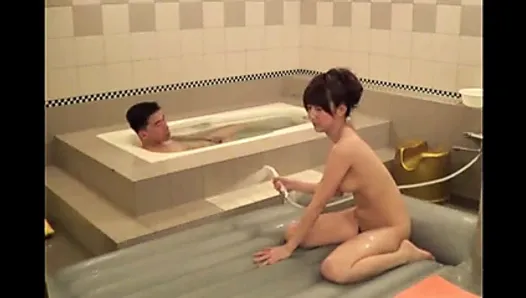
Soaplands are a type of fuzoku establishment in Japan that offer sexual services to customers.
They are typically bathhouses where customers receive a full-body wash and massage from an attendant, and may also engage in sexual activities.
The services offered at soaplands can vary greatly, ranging from basic bath and massage services to more explicit sexual activities.
Customers typically pay a cover charge and additional fees for services, and the prices and offerings can vary widely depending on the establishment and the individual attendant.
It is important to note that the sexual services offered at soaplands may be illegal or operate in a gray area of legality, and the industry is often subject to regulation and control by local authorities.
Additionally, the working conditions for attendants at soaplands can be difficult, and there have been reports of exploitation and abuse within the industry.
If you want to read about a specific soapland experience, check out our review of Secretary's Office in Yoshiwara, one of the more well-known soapland establishments in Tokyo.
Pink Salons: Oral Service Establishments
Pink salons are a type of fuzoku establishment in Japan that offer sexual services to customers.
They are typically small, discreet establishments that specialize in various forms of manual stimulation, such as handjobs or blowjobs.
The services offered at pink salons can vary greatly, ranging from basic manual stimulation to more explicit sexual activities.
Customers typically pay a cover charge and additional fees for services, and the prices and offerings can vary widely depending on the establishment and the individual attendant.
It is important to note that the sexual services offered at pink salons may be illegal or operate in a gray area of legality, and the industry is often subject to regulation and control by local authorities.
Additionally, the working conditions for attendants at pink salons can be difficult, and there have been reports of exploitation and abuse within the industry.
For a more detailed look at this category, read our dedicated pink salon guide covering the best venues and what to expect.
Massage Parlors: Este Services
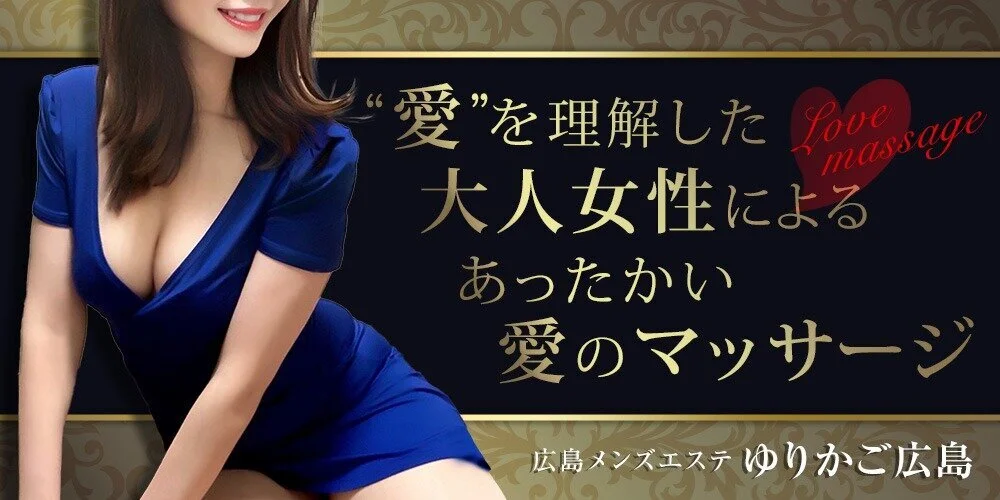
Este massage parlors are a type of fuzoku establishment in Japan that offer various types of massage services, including traditional massage, oil massage, and other forms of therapeutic bodywork.
These parlors typically offer private rooms for customers to receive massage services, and some may also offer additional services such as saunas or baths.
It is important to note that the services offered by este massage parlors can vary greatly and may include sexually suggestive or explicit activities. Some establishments may operate in a gray area of legality, and engaging in these services could result in arrest or other legal consequences.
It is advisable to research specific establishments and their services before visiting and to be aware of local laws and customs. In any case, it is always important to be respectful of local culture and customs and to behave responsibly when visiting fuzoku establishments in Japan or any other country.
Cabaret Clubs: Social Entertainment
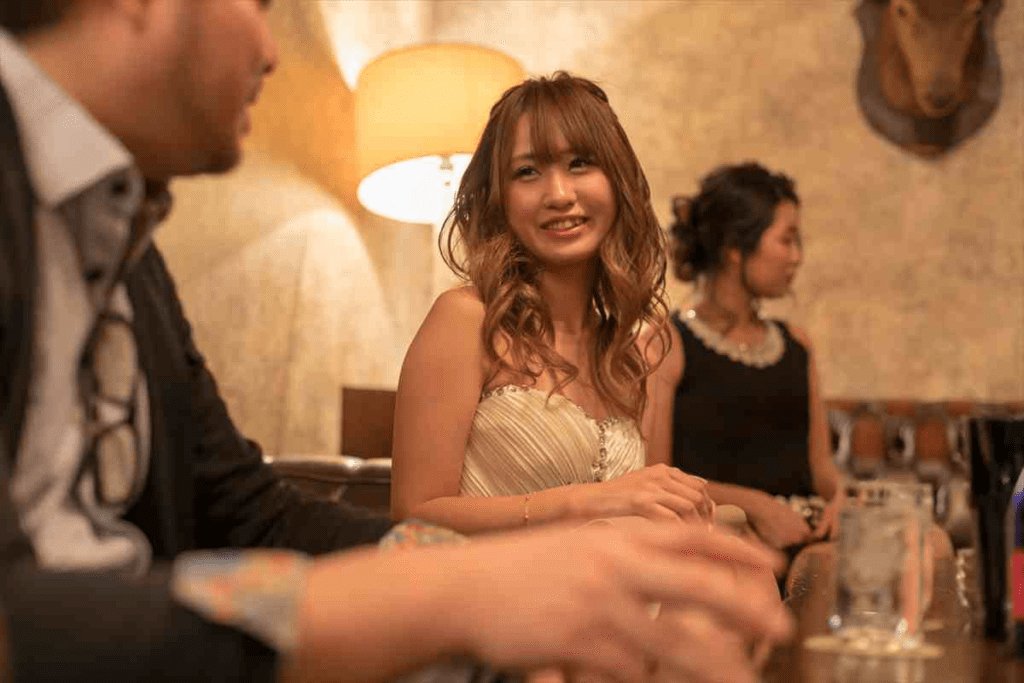
Cabaret clubs are a type of fuzoku establishment in Japan that feature striptease and other forms of exotic dance performances by female dancers. These clubs typically have a bar or lounge area where customers can drink and socialize, and a stage where the dancers perform.
The dancers at cabaret clubs are usually hired for their beauty, physical appeal, and dance skills, and customers typically pay a cover charge and additional fees for drinks and services.
The atmosphere of cabaret clubs can vary greatly, ranging from upscale, high-end establishments to more down-to-earth, casual bars.
It is important to note that the services offered at cabaret clubs can vary and may include sexually suggestive or explicit activities, and some establishments may operate in a gray area of legality. As a result, the industry is often subject to regulation and control by local authorities.
Karaoke Bars: Entertainment Venues
Karaoke bars are a type of entertainment establishment in Japan where customers can sing and drink in private rooms. These bars typically have a large selection of songs in various languages and customers can sing along using a microphone and display screen.
Karaoke bars in Japan are often used as a social gathering place for groups of friends or co-workers, and customers typically pay a cover charge and additional fees for drinks and services. The atmosphere of karaoke bars can vary greatly, ranging from upscale, high-end establishments to more down-to-earth, casual bars.
In addition to singing, many karaoke bars also offer other forms of entertainment, such as video games or darts, and some establishments may also serve food and drinks. Karaoke bars are a popular form of leisure and entertainment in Japan and can be found in many cities throughout the country.
Bonus: Hostess clubs
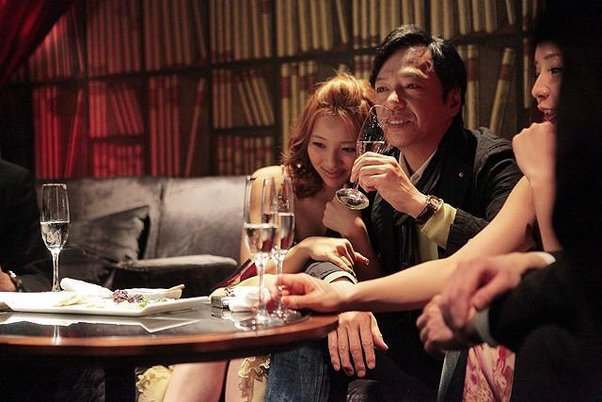
Hostess clubs are a type of fuzoku establishment in Japan where female hostesses interact with male customers, serving drinks and engaging in conversation. The main purpose of these clubs is for the hostesses to provide emotional and social support to the male customers, who may be lonely or looking for companionship. The hostesses are usually hired for their beauty, charm, and conversation skills, and customers typically pay a cover charge and additional fees for drinks and services.
The atmosphere of hostess clubs can vary greatly, ranging from upscale, high-end establishments to more down-to-earth, casual bars. The level of intimacy and physical contact between hostesses and customers also varies, and may depend on the specific establishment and individual customer preferences.
It is important to note that the services offered at hostess clubs can vary and may include sexually suggestive or explicit activities, and some establishments may operate in a gray area of legality. As a result, the industry is often subject to regulation and control by local authorities.
Why are there so many different fuzoku in Japanese culture?
There are several reasons why there are many different types of fuzoku establishments in Japanese culture:
- Social expectations: Japanese society has traditionally placed a strong emphasis on work and achievement, leading to a high level of stress and social pressure. Fuzoku establishments provide a way for people to relax and escape from these expectations, offering a range of services and activities that cater to different preferences and desires.
- Economic factors: The fuzoku industry is a large and lucrative one in Japan, with many businesses seeking to capitalize on the demand for these types of services. This has led to a wide variety of establishments, each offering its own unique combination of services, atmosphere, and target demographic.
- Historical and cultural influences: The fuzoku industry has a long history in Japan, and various forms of sexual services have been a part of the culture for centuries. Over time, different types of establishments have developed and evolved to meet the changing demands of society.
- Legal considerations: The legality of various types of fuzoku services can vary greatly, and some establishments may operate in a gray area of the law. This has resulted in a diverse range of establishments, each offering services that are legal or tolerated within their specific area.
In conclusion, the many different types of fuzoku establishments in Japanese culture reflect a complex interplay of social, economic, historical, and legal factors, reflecting the unique cultural and societal dynamics of Japan.
Last words about Japanese adult Fuzoku
The topic of fuzoku in Japan, and the various types of establishments that fall under this category, is a complex and sensitive one that can elicit strong opinions and reactions from different people. Some view fuzoku as a form of harmless entertainment or relaxation, while others view it as exploitative or degrading.
Regardless of one's personal views, it is important to understand that the fuzoku industry is a significant part of Japanese culture and economy, and to respect the rights and choices of those who participate in these types of establishments, either as customers or employees. It is also important to be aware of and comply with local laws and customs when visiting fuzoku establishments.
Complete Fuzoku Category Breakdown
With so many fuzoku types available in Japan, it can be difficult to understand the differences at a glance. The following table provides a comprehensive side-by-side comparison of every major fuzoku category, including pricing, session lengths, service levels, and how accessible each type is to foreign visitors.
| Category | Japanese Name | Price Range | Session | Service Level | Foreigner Access |
|---|---|---|---|---|---|
| Soapland | ソープランド | ¥20,000-60,000+ | 60-120 min | Full service | Low |
| Delivery Health | デリヘル | ¥15,000-30,000 | 60-120 min | Non-penetrative | Medium-High |
| Pink Salon | ピンサロ | ¥3,000-6,000 | 20-40 min | Oral only | Medium |
| Fashion Health | ファッションヘルス | ¥10,000-20,000 | 40-60 min | Non-penetrative | Medium |
| Image Club | イメクラ | ¥8,000-15,000 | 30-60 min | Roleplay / Non-penetrative | Low |
| Massage Esthe | エステ | ¥8,000-20,000 | 60-90 min | Massage / Sensual | Medium |
| Onakura | オナクラ | ¥3,000-5,000 | 20-30 min | Hand service | Medium |
As the table shows, prices and service levels vary significantly across categories. Soaplands sit at the top in terms of both cost and the breadth of services offered, while pink salons and onakura provide budget-friendly options with more limited services. For visitors new to the Japanese fuzoku scene, delivery health often represents the best starting point due to its combination of accessibility, reasonable pricing, and the convenience of having a companion come to your hotel.
Foreigner Accessibility by Category
One of the biggest concerns for international visitors is whether they will actually be allowed inside a fuzoku establishment. The reality is that foreigner access varies dramatically depending on the type of venue, its location, and the individual shop's policy. Below is a ranking from most to least foreigner-friendly, along with practical tips for each category.
Most Accessible: Delivery Health (Deriheru)
Delivery health services are the most accessible fuzoku category for foreigners. Because the companion comes to your hotel room, there is no physical storefront that might turn you away at the door. Many deriheru agencies actively market to foreign customers and some maintain English-language websites or phone lines. The key requirement is having a hotel room that permits visitors -- business hotels usually do, while some capsule hotels and hostels do not. Read our complete delivery health guide for a deep dive into booking your first session.
Highly Accessible: Pink Salons
Pink salons are walk-in establishments where the transaction is straightforward: pay at the counter, take a seat, and a companion will attend to you. The simplicity of the service means language barriers are less of an obstacle. Areas like Ikebukuro and parts of Shinjuku have pink salons that regularly serve foreign customers. Our pink salon guide covers the best venues and what to expect during your visit.
Moderately Accessible: Fashion Health, Massage Esthe, and Onakura
These three categories fall in the middle ground. Fashion health clubs and esthe parlors sometimes accept foreigners, particularly in tourist-heavy areas. Onakura shops in Akihabara and Ikebukuro are generally welcoming. The main barrier is usually communication during the reception process -- knowing basic Japanese phrases or using a translation app can make the difference between being welcomed or turned away. Check our directory of foreigner-friendly venues to find specific shops that welcome international visitors.
Least Accessible: Soaplands and Image Clubs
Soaplands are the most restrictive category for foreigners. The vast majority of soaplands, particularly high-end ones in areas like Yoshiwara, Kawasaki, and Susukino, have strict Japanese-only policies. This stems from concerns about communication during the elaborate bathing ritual, potential legal liability, and cultural misunderstandings. A small number of soaplands do accept foreigners, and our foreigner-friendly venue guide can help you identify them.
Image clubs also tend to be less welcoming to foreigners because the roleplay scenarios require verbal communication in Japanese. Without sufficient Japanese language ability, the core appeal of an image club -- the fantasy narrative -- is largely lost.
How to Book Your First Visit
Walking into a fuzoku establishment for the first time can be intimidating, especially if you do not speak Japanese. The following step-by-step process covers everything from initial research to what happens after the session ends.
Step 1: Research Venues Online
Start by browsing venues in the area you will be visiting. Our directory of foreigner-friendly stores is a good starting point, as every listing has been verified to accept international customers. Look at the venue's website for photos of companions, pricing menus, and available time slots. Pay attention to the area the venue operates in -- Kabukicho in Shinjuku, Ikebukuro, and Susukino in Sapporo are well-known fuzoku districts.
Step 2: Check Foreigner Policy
Before making the trip, confirm the venue accepts foreign customers. Look for phrases like "gaijin OK" (foreigner OK) on their website, or check review sites and forums for recent reports from other foreign visitors. If you can read some Japanese, look for the text "gaikokujin OK" on the shop's FAQ page. When in doubt, have a Japanese-speaking friend call ahead to confirm.
Step 3: Prepare Cash
Nearly all fuzoku establishments are cash-only. Make sure you have enough Japanese yen before heading out. Convenience store ATMs at 7-Eleven, Lawson, and FamilyMart accept most international debit and credit cards and dispense cash 24 hours a day. Withdraw more than you think you will need to cover the base fee, any nomination charges, and potential time extensions.
Step 4: Arrive at the Venue or Call for Delivery
For walk-in venues like pink salons, fashion health clubs, and soaplands, simply go to the address during operating hours. Most fuzoku venues open in the late morning or early afternoon and operate until late at night. For delivery health services, call the agency or use their online booking form. You will need to provide your hotel name, room number, and desired time. Some agencies have English-speaking operators, while others may require basic Japanese.
Step 5: Reception Process
At the venue, you will typically be greeted by a receptionist or manager. The process usually involves selecting a companion from a photo panel or digital display, choosing your session length, and paying upfront in cash. Some venues may ask to see identification. The receptionist will explain the basic rules and then guide you to a waiting area or directly to your room.
Step 6: The Session
Once you are matched with your companion, she will guide you through the experience. At soaplands, this begins with bathing. At fashion health clubs, it typically starts with a shower. Follow her lead and communicate respectfully about your preferences. If there is a language barrier, simple gestures and a friendly attitude go a long way. The companion will manage the timing so you do not need to watch the clock.
Step 7: After the Session
When the session ends, the companion will let you know. You can get dressed, and the companion or a staff member will escort you out. Tipping is not expected or standard in Japan, and offering a tip can sometimes cause confusion. If you had an exceptional experience, telling the receptionist on your way out is a more culturally appropriate way to show appreciation. Some venues have a feedback system where you can leave a comment about your companion.
Payment and Tipping Guide
Understanding how money works in the fuzoku industry will help you avoid surprises and ensure a smooth experience.
Cash Is King
The overwhelming majority of fuzoku establishments operate on a cash-only basis. This applies to soaplands, pink salons, delivery health, fashion health, image clubs, and most esthe parlors. Credit cards are rarely accepted, and when they are -- typically at a handful of premium soaplands -- you can expect a surcharge of 10-20% on top of the listed price. Do not count on being able to pay by card.
Where to Get Cash
Japan's convenience store ATMs are the most reliable way to withdraw yen using an international card. 7-Eleven ATMs (branded "Seven Bank") have the widest international card acceptance, followed by Lawson ATMs and Japan Post ATMs. These machines offer English-language interfaces and are available around the clock. Most international cards have a daily withdrawal limit, so plan ahead if you intend to visit higher-end establishments.
Tipping Is Not Expected
Japan does not have a tipping culture, and this extends to the fuzoku industry. You do not need to tip your companion, the receptionist, or any other staff member. In fact, trying to hand someone extra money can cause awkwardness or even offense. The price you pay at reception covers the full cost of the service. If you want to show extra appreciation, a verbal "thank you" or a positive review is the appropriate way to do so.
Beware of Hidden Fees
While the base price is typically straightforward, there are additional charges you should be aware of:
- Nomination fee (shimei-ryo): If you request a specific companion by name, expect an additional charge of ¥1,000-3,000 on top of the base price.
- Extension fees: Going over your allotted time is possible at most venues but comes at a premium rate. Staff will usually inform you when your time is running low.
- Transportation fees: Delivery health services may charge a transportation fee of ¥1,000-3,000 depending on how far your hotel is from the agency's base area.
- Hotel fees: If you are using a delivery health service and do not have your own room, some agencies can arrange a hotel, but you will need to pay for it separately.
- Option charges: Special requests such as costumes, specific scenarios, or additional services often cost extra. Always ask about pricing before agreeing to add-ons.
Fuzoku Etiquette: Essential Do's and Don'ts
Japanese fuzoku has a strict code of conduct that both customers and staff are expected to follow. Adhering to proper etiquette will ensure a positive experience and increase the likelihood that you will be welcomed back. Violating these norms can result in being asked to leave, being banned from the venue, or in serious cases, having the authorities called.
Do's
- Shower before your session. Hygiene is taken extremely seriously in Japanese fuzoku. At soaplands and fashion health clubs, you will shower as part of the service. At pink salons and onakura, where showers are not available, make sure you are clean before arriving. Arriving with poor hygiene is one of the most common reasons companions lodge complaints.
- Follow staff instructions. The receptionist and your companion will guide you through the process. Listen carefully, even if communication is happening through gestures or a translation app. If you are unsure about something, ask rather than assume.
- Be punctual. Arrive on time for your appointment. If you booked a delivery health service, make sure you are in your hotel room and ready when the companion is scheduled to arrive. Being late cuts into your own session time -- the clock usually starts at the agreed appointment time.
- Be respectful at all times. Treat your companion and all staff with courtesy and respect. Remember that they are professionals providing a service. A friendly, polite attitude will result in a much better experience for everyone involved.
- Pay upfront and without fuss. Have the correct amount ready in cash. Trying to haggle or complaining about prices is considered extremely rude and will immediately sour the experience.
Don'ts
- Don't negotiate prices. Prices are fixed at all reputable fuzoku establishments. Attempting to bargain is not only futile but deeply disrespectful. If a venue's prices are beyond your budget, choose a different venue or a shorter session.
- Don't touch without permission. Every type of fuzoku has specific rules about what is and is not allowed. Your companion will make clear what she is comfortable with. Crossing those boundaries is unacceptable and can result in the immediate termination of your session without a refund.
- Don't overstay your time. When your session time is up, get dressed and leave promptly. Lingering or trying to extend the session without paying is considered very poor form.
- Don't take photos or videos. Photography and recording are strictly prohibited in all fuzoku establishments. This protects the privacy of the companions and other customers. Violating this rule can lead to being banned, having your device confiscated, or facing legal consequences.
- Don't arrive heavily intoxicated. While having a drink beforehand is fine, showing up visibly drunk is grounds for being turned away at most venues. Intoxication leads to poor behavior, boundary violations, and safety concerns. Many venues will refuse entry outright if you appear too intoxicated.
Essential Japanese Phrases
Understanding and respecting these guidelines is not just about following rules -- it reflects an appreciation for Japanese culture and the people working in the industry. For more practical information about navigating Japan's adult entertainment scene as a foreign visitor, see our comprehensive Japan adult entertainment guide, which covers everything from nightlife districts to accommodation tips.