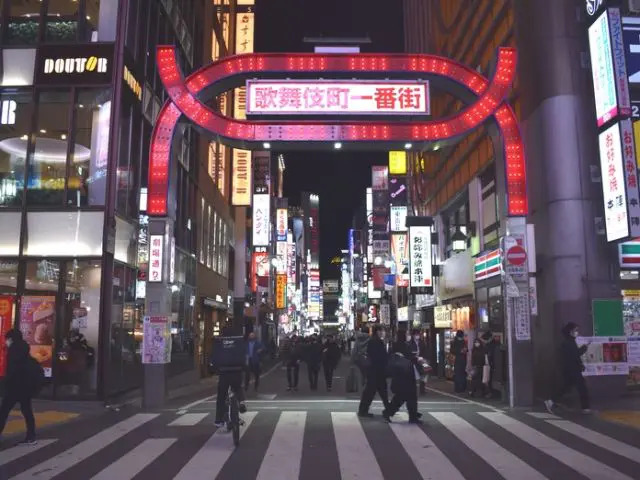
There is no experience quite like walking into a Tokyo love hotel for the first time. The glowing lobby panel, the themed rooms with names like "Royal Suite" and "Fantasy Room," the jacuzzi tubs big enough for two -- love hotels are one of Japan's most uniquely fascinating cultural institutions. Whether you are traveling with a partner, looking for a quirky overnight stay, or just curious about this iconic slice of Japanese life, this guide covers everything you need to know about using love hotels in Tokyo.
Quick Reference
- Rest (Short Stay): ¥3,000–¥8,000 (~$20–$55 USD) for 1-3 hours
- Stay (Overnight): ¥6,000–¥15,000 (~$40–$100 USD), typically 10 PM – 10 AM
- Best Areas: Shibuya Dogenzaka, Kabukicho, Ikebukuro, Uguisudani
- Foreigner-Friendly: Yes -- automated systems mean minimal interaction
- Japanese Required: None at automated hotels; basic phrases at staffed desks
- Payment: Cash preferred; some accept credit cards
What Exactly Is a Love Hotel?
A love hotel (ラブホテル, rabu hoteru) is a type of short-stay accommodation designed specifically for couples seeking privacy. Unlike regular hotels, love hotels rent rooms by the hour for a "rest" (休憩, kyukei) or for an overnight "stay" (宿泊, shukuhaku). They are equipped with amenities that go far beyond what a standard business hotel offers -- think oversized bathtubs, mood lighting panels, karaoke machines, and room service you order from a bedside touchscreen.
Love hotels are not seedy or underground. They are a completely mainstream part of Japanese culture. In a country where many young adults live with their parents well into their twenties and thirties, and where thin apartment walls offer little privacy, love hotels fill a genuine need. Couples of all ages use them regularly -- from university students on dates to married couples looking for a change of scenery. Some love hotels have even evolved into Instagram-worthy design destinations.
For foreign visitors, love hotels are a fascinating cultural experience and a surprisingly practical accommodation option. Many travelers use them as budget overnight stays, especially when arriving late or needing a place to crash after a night out in the entertainment districts.
How Love Hotels Work: Step by Step
Step 1: Finding a Love Hotel
Love hotels are concentrated in specific districts (covered below), but you will also find them scattered throughout Tokyo, often identifiable by their distinctive architecture, neon signage, and names that hint at romance or fantasy. Google Maps labels many of them, and the app Happy Hotel (happyhotel.jp) is the most comprehensive love hotel search and review platform in Japan.
Step 2: Checking Availability
Walk into the lobby and look for the illuminated room panel near the entrance. This panel displays photos of all available rooms. Rooms that are lit up are available; rooms that are dark or greyed out are occupied. Each room shows its "rest" and "stay" prices. Take a moment to compare options -- prices vary significantly even within the same hotel.
Step 3: Selecting Your Room
Press the button next to your chosen room on the panel. A key or room card will be dispensed, or a staff member behind a frosted glass window will hand you one (many love hotels use frosted glass or small pass-through windows so you never see the staff face to face). Follow the signs or floor indicators to your room.
Step 4: Enjoying the Room
Lock the door behind you and explore. Most love hotel rooms have a control panel near the bed that lets you adjust lighting colors, turn on the TV, order room service, and sometimes control the bath temperature. Complimentary amenities typically include shampoo, conditioner, body wash, toothbrushes, razors, hairdryers, and condoms. Many rooms have vending machines in the hallway selling additional items.
Step 5: Checking Out
When your time is up (or before your rest period expires), check out using the room's payment system. Many love hotels have a pneumatic tube or slot in the room where you place your cash payment plus the room key. Others have a payment machine near the exit. Some modern love hotels accept credit cards at a lobby kiosk. If you are staying overnight, checkout is typically between 10 and 11 AM.
Love Hotel Pricing Breakdown
| Type | Duration | Price Range | Notes |
|---|---|---|---|
| Rest (Budget Area) | 1-2 hours | ¥2,500–¥4,000 | Uguisudani, outer Ikebukuro |
| Rest (Standard) | 2-3 hours | ¥4,000–¥6,000 | Shibuya, Kabukicho, most areas |
| Rest (Premium) | 2-3 hours | ¥6,000–¥10,000 | Designer rooms, themed suites |
| Stay (Budget) | Overnight (~10 PM–10 AM) | ¥5,000–¥8,000 | Basic rooms, weekdays |
| Stay (Standard) | Overnight | ¥8,000–¥12,000 | Good amenities, most areas |
| Stay (Premium/Weekend) | Overnight | ¥12,000–¥20,000+ | Themed rooms, Fri/Sat/holidays |
| Free Time | Up to 12-24 hours | ¥5,000–¥10,000 | Weekday daytime specials |
Prices increase on Friday and Saturday nights, holidays, and during peak seasons like Golden Week, Obon, and New Year. Weekday daytime "free time" (フリータイム) rates are often the best deal -- some hotels offer 6-12 hours for the price of a standard rest.
Best Love Hotel Areas in Tokyo
Shibuya Dogenzaka (Love Hotel Hill)
The most famous love hotel district in Japan, Dogenzaka (道玄坂) -- commonly called "Love Hotel Hill" -- sits just behind Shibuya's scramble crossing. Walk up the hill past the 109 building and you will find yourself surrounded by over 20 love hotels packed into a few narrow streets. The area ranges from budget-friendly older hotels to sleek, modern boutique properties.
Getting there: JR Shibuya Station Hachiko Exit, walk 5 minutes up Dogenzaka slope past Shibuya 109. The love hotels begin on the side streets to your left as you climb the hill.
Highlights include Hotel Sulata (modern, stylish rooms), Hotel Gransky (good value with large tubs), and Hotel Deux (boutique feel). Expect rest rates of ¥4,000-8,000 and stay rates of ¥8,000-15,000.
Kabukicho, Shinjuku
Tokyo's largest entertainment district has a dense concentration of love hotels, particularly along the edges of the main Kabukicho area and on the streets behind the Toho Cinema Godzilla building. Kabukicho love hotels are convenient if you are already spending the evening in the area's bars, izakayas, or adult entertainment venues.
Getting there: JR Shinjuku Station East Exit, walk 5 minutes north past Studio Alta into Kabukicho. Love hotels are scattered throughout, with concentrations along the eastern edge near Okubo.
Kabukicho options range from very affordable older hotels (¥3,000 rest) to upscale themed properties. Hotel Bali An and Hotel Pasha are popular choices with good rooms and reasonable pricing.
Ikebukuro
Ikebukuro's love hotel cluster is located north of the station, a short walk from the entertainment district around West Exit. This area offers solid value with less weekend markup than Shibuya or Shinjuku. If you are visiting Ikebukuro's foreigner-friendly entertainment venues, the proximity is very convenient.
Getting there: JR Ikebukuro Station North Exit, walk 5-8 minutes north along Meiji-Dori. Love hotels are clustered on the side streets east of the main road.
Uguisudani
One stop north of Ueno on the JR Yamanote Line, Uguisudani is Tokyo's old-school love hotel district. Hotels here are generally older and more basic, but prices are among the lowest in central Tokyo. Rest rates as low as ¥2,500 and overnight stays from ¥5,000 make this the budget traveler's go-to area.
Getting there: JR Uguisudani Station South Exit, turn left -- you will see love hotels immediately lining the street.
Love Hotel Amenities: What to Expect
Japanese love hotels are famous for going well beyond the basics. Here is what you will typically find, even in mid-range rooms:
Standard amenities (nearly all love hotels):
- Large bathtub or jacuzzi (significantly bigger than business hotel baths)
- Full toiletry set: shampoo, conditioner, body wash, face wash, toothbrush sets, razors
- Hair dryers, straighteners, and sometimes curling irons
- Complimentary condoms (usually 2-3 per room)
- Large-screen TV with adult channels (free) and regular channels
- Mood lighting control panel -- adjust colors and brightness from the bed
- Blackout curtains and soundproofing
- Room service menu (food and drinks ordered via touchscreen or phone)
Premium amenities (upscale rooms):
- Karaoke systems with microphones
- PlayStation or Nintendo Switch consoles
- Massage chairs
- Cosplay costume rental (school uniforms, nurse outfits, maid costumes -- selected via vending machine or room panel)
- Themed room decor (Bali resort, space station, Hello Kitty, medieval castle)
- Sauna or steam room
- Rotating beds (rare but still found at some retro hotels)
- Room-service food from local restaurants
Themed and Unique Love Hotels
Japan takes the love hotel concept to creative extremes. While the wildest themed hotels from the 1980s-90s bubble era have mostly closed, several properties still offer genuinely unique room designs. You might find rooms styled as train carriages, space capsules, underwater grottos, or traditional Japanese ryokans. These themed rooms typically cost 30-50% more than standard rooms but deliver a memorable experience even beyond the romance factor.
Some travelers specifically visit love hotels for the design experience -- the over-the-top interiors, the neon lighting, the sheer audacity of the concepts. If this appeals to you, search for reviews on Happy Hotel or Google Maps to find the most visually interesting options before you go.
Love Hotels for Foreign Visitors: Tips
Love hotels are among the most foreigner-friendly accommodation options in Japan. Here is what you need to know:
Language is rarely a barrier. The automated panel system means you can select a room, get your key, and pay without speaking a single word of Japanese. Room controls usually have icons alongside Japanese text, and the essentials (lighting, TV, bath) are intuitive.
Cash is king. While a growing number of love hotels accept credit cards, many -- especially older or budget ones -- are cash-only. Bring sufficient yen. Convenience store ATMs (7-Eleven, Lawson, FamilyMart) are everywhere and accept international cards 24/7.
Solo guests are welcome at many hotels. If you need an affordable place to sleep, many love hotels accept solo guests for the overnight "stay" rate. Some have a small solo surcharge; others charge the same rate regardless. This is an open secret among budget travelers in Tokyo.
No passport required at most love hotels. Unlike regular hotels that are legally required to record foreign guests' passport details, many love hotels with automated systems do not require identification. Hotels with staffed front desks may ask, but this is uncommon.
Love Hotels and Japan's Adult Entertainment Scene
Love hotels play a practical role in Japan's adult entertainment ecosystem. If you are using a delivery health (deriheru) service, the companion will come directly to your love hotel room -- and love hotels are one of the most common locations for these sessions. Unlike some business hotels that may discourage visitors, love hotels have no such restrictions.
If you are exploring Tokyo's entertainment districts like Kabukicho or Ikebukuro, having a love hotel nearby provides a convenient base. Many visitors combine an evening in the entertainment area with an overnight stay at a nearby love hotel, saving on taxi fares and last-train rushes.
For a broader overview of what is available in Tokyo's adult scene, see our complete fuzoku categories guide or browse the venue directory for specific listings.
Booking Love Hotels in Advance
Traditionally, love hotels were walk-in only -- you showed up, checked the panel, and took what was available. This is still how most visits work, and it is perfectly fine on weekday nights when availability is high.
However, the landscape has changed. Many love hotels now accept advance reservations through:
- Happy Hotel (happyhotel.jp) -- the largest love hotel booking platform in Japan
- Booking.com and Expedia -- some love hotels list on mainstream booking platforms, often marketed as "boutique hotels"
- Hotel websites -- individual properties increasingly offer direct booking
If you are visiting on a Friday or Saturday night, or during a holiday period, booking in advance is strongly recommended. Popular hotels in Shibuya and Kabukicho fill up by 8-9 PM on weekends.
Love Hotel Etiquette
Love hotels are designed around discretion and privacy. Follow these unwritten rules:
- Do not linger in the lobby. Select your room promptly and proceed. The lobby is designed for quick selection, not browsing.
- Keep noise reasonable. Soundproofing is good but not perfect. Be considerate of neighboring rooms.
- Leave the room clean. You do not need to scrub the bath, but do not trash the room. Gather your belongings and leave things roughly as you found them.
- Check out on time. Overstaying costs money and inconveniences the next guests.
- Do not smoke in non-smoking rooms. Cleaning fees for smoking violations can be steep (¥10,000+).
Essential Japanese Phrases
Are Love Hotels Worth It?
Absolutely. Whether you are visiting Tokyo with a partner, using one as a base for a night out in the entertainment districts, or simply looking for affordable private accommodation with amenities that put most business hotels to shame, love hotels deliver extraordinary value. A ¥7,000 love hotel room typically includes a jacuzzi bath, a huge TV, mood lighting, and complete privacy -- try getting that at a ¥7,000 business hotel.
For solo travelers visiting Tokyo's nightlife scene, love hotels are an essential part of the infrastructure. They are everywhere, they are easy to use, and they welcome foreigners without hassle. If you are planning a trip to Tokyo and have not considered a love hotel stay, you are missing one of the city's most authentically Japanese experiences.
Ready to explore more of Tokyo's nightlife? Check out our solo traveler's guide to Tokyo for accommodation, dining, and entertainment tips tailored to independent visitors.