Tokyo consistently ranks among the safest major cities on Earth. You can walk through Kabukicho at 3 AM with cash in your pocket and, statistically, you are safer than in most American suburbs at noon. But "safe" does not mean "risk-free." Tokyo's entertainment districts have their own set of hazards -- and almost none of them involve physical violence. The dangers here are financial: scam bars with inflated bills, touts who lead you to predatory venues, and the occasional bad actor looking to separate a trusting tourist from their yen. This guide arms you with the knowledge to enjoy Tokyo's incredible nightlife while keeping your wallet and your well-being intact.
Quick Reference
- Overall Safety: Very high -- one of the safest major cities worldwide
- Main Risks: Financial scams (bottakuri), touts, overcharging -- not violent crime
- Emergency Number (Police): 110
- Emergency Number (Ambulance/Fire): 119
- Tourist Hotline (English, 24/7): 050-3816-2787 (JNTO)
- Key Safety Rule: Never follow street touts to any venue
The Number One Rule: Ignore the Touts
If you take away just one thing from this guide, let it be this: never follow a street tout to a bar, club, or any entertainment venue. This single rule will protect you from approximately 90% of the bad experiences that foreign visitors have in Tokyo's nightlife.
Touts (キャッチ, kyatchi) are the people standing on sidewalks in entertainment districts, calling out to passersby and trying to recruit customers for nearby bars and clubs. They approach you in English -- "Hey, friend! Looking for fun tonight? I know a great place" -- and offer to escort you to a venue, often promising free entry, cheap drinks, or beautiful women.
Here is what is actually happening: the tout works on commission. They are paid by the venue for every customer they bring in. The venues that rely on touts are almost always the ones that cannot attract customers on their own merits -- because their prices are inflated, their service is poor, or they are outright scam operations. The "cheap drinks" the tout promised become ¥5,000-per-glass champagne on your bill. The "free entry" comes with a ¥30,000 mandatory minimum spend that was never mentioned.
Legitimate bars, restaurants, hostess clubs, and adult entertainment venues do not need touts. They have websites, reviews, repeat customers, and reputations. If someone on the street is the primary marketing channel for a venue, that tells you everything you need to know about the venue.
Bottakuri: Tokyo's Most Common Nightlife Scam
Bottakuri (ぼったくり) literally means "rip-off" and refers to the practice of presenting customers with grossly inflated bills -- far exceeding what was agreed or what a reasonable person would expect. This is the scam that catches the most foreign visitors in Tokyo, and it follows a predictable pattern:
How Bottakuri Works
- The hook: A tout approaches you on the street (usually in Kabukicho or Roppongi) and offers an amazing deal -- "¥1,000 all you can drink," "free entry to VIP lounge," or "beautiful girls, very cheap."
- The setup: You follow the tout to a bar on the third or fifth floor of a nondescript building. The bar looks fine -- dim lighting, music, attractive staff.
- The comfort zone: You are seated, drinks flow freely, staff are attentive. You order a few drinks, the hostess next to you has a few drinks, maybe some snacks appear. Nobody mentions prices.
- The bill: When you ask for the check, the number is astronomical. ¥50,000, ¥80,000, sometimes ¥200,000 or more. Your ¥1,000 beers were apparently ¥5,000 each. The hostess's drinks were ¥8,000 each. There is a ¥20,000 "service charge" and a ¥15,000 "seat fee" that nobody mentioned.
- The pressure: When you protest, staff become intimidating. They may block the exit, call a manager, or threaten to involve the yakuza. The message is clear: pay or there will be problems.
How to Avoid Bottakuri
- Never follow touts. This bears repeating because it prevents almost every bottakuri situation.
- Check prices before ordering. Insist on seeing a menu with prices. If there is no menu, or if prices are vague, leave before ordering anything.
- Ask for a price confirmation. Before sitting down, ask "Set fee wa ikura desu ka?" (How much is the set fee?) and "Lady drink wa ikura desu ka?" (How much are lady drinks?). Get numbers before committing.
- Choose established venues. Use our venue directory or other review sites. Venues with websites, Google reviews, and listed prices are not running bottakuri operations.
- Keep track of what you order. Mentally note each drink you order and each lady drink. If the bill does not match your count, challenge it immediately.
What to Do If You Get a Bottakuri Bill
If you are presented with an obviously inflated bill, here is your action plan:
- Stay calm. Do not shout, do not become aggressive. Escalation works in the scammer's favor.
- Ask for an itemized bill. Say "Uchiwake wo misete kudasai" (Please show me the breakdown). Sometimes the venue will back down when challenged specifically.
- State you will call the police. Say clearly: "Keisatsu wo yobimasu" (I will call the police). This is often enough to produce a drastically reduced bill. The venue does not want police involvement.
- Actually call the police if needed. Dial 110. Police will come. While the language barrier may be challenging, the police presence alone usually resolves the situation. Officers are accustomed to bottakuri complaints in entertainment districts.
- Walk to the nearest koban (police box). If calling feels difficult, walk directly to a police box. There is a prominent one at the entrance to Kabukicho and another near the Roppongi crossing. Police will accompany you back to the venue if needed.
- Do not pay under intimidation. If you feel physically threatened, call 110. Intimidation to extort payment is a crime, and Japanese police take it seriously.
Drink Spiking and Drug Safety
Drink spiking is far less common in Tokyo than in many western cities, but it does happen. The risk is concentrated in Roppongi's nightclub and bar scene, where the international crowd and party atmosphere create opportunities for bad actors.
How to Protect Yourself
- Never leave your drink unattended. Take it with you to the restroom or finish it before going.
- Do not accept drinks from strangers. If someone you just met insists on buying you a drink, watch it being made and handed directly to you.
- Watch for suspicious behavior. If someone is overly insistent about buying you drinks, pushing you to drink more, or steering you away from friends, disengage.
- Trust your body. If you feel suddenly disoriented, nauseous, or confused beyond what your alcohol consumption would explain, tell a friend, a bartender, or call for help immediately.
- Go out with someone you trust. Having a companion who can watch your back (and your drink) significantly reduces risk.
The Roppongi Pattern
A specific scam pattern in Roppongi involves individuals (sometimes foreign, sometimes Japanese) who befriend solo travelers at bars, buy them drinks (which may be spiked), and then take them to ATMs while they are disoriented to withdraw cash. If you are solo in Roppongi and someone you just met is being extremely generous with drinks, be cautious. This pattern has been documented over many years and specifically targets solo foreign visitors.
Emergency Contacts and Resources
| Service | Number | Language | Notes |
|---|---|---|---|
| Police | 110 | Japanese (limited English) | For crimes, emergencies, threats |
| Fire / Ambulance | 119 | Japanese (limited English) | Medical emergencies, fires |
| JNTO Tourist Hotline | 050-3816-2787 | English, Chinese, Korean, 24/7 | General tourist assistance, interpretation |
| Tokyo Police English Line | 03-3501-0110 | English | Non-emergency police consultation |
| TELL Lifeline (counseling) | 03-5774-0992 | English | Mental health and crisis support |
| US Embassy Tokyo | 03-3224-5000 | English | American citizens assistance |
| UK Embassy Tokyo | 03-5211-1100 | English | British citizens assistance |
Save these numbers in your phone before your night out. In an emergency, even if you cannot communicate in Japanese, calling 110 or 119 will dispatch help. Stay on the line, give your location if possible, and help will come.
Police Boxes (Koban): Your Best Friend at Night
Japan's koban (交番) system is one of the country's most distinctive policing features. These small police stations are staffed 24/7 and located throughout urban areas, including inside entertainment districts. Officers at koban can help with:
- Directions: Koban officers know their neighborhood intimately and will help you find your hotel, a station, or a specific address.
- Lost items: Japan has an extraordinary lost-and-found culture. If you lose your wallet, phone, or bag, report it at a koban -- there is a good chance it will be returned.
- Disputes: If you have a billing dispute at a bar or feel threatened, a koban officer can accompany you back to the venue or mediate the situation.
- Filing reports: For theft, fraud, or any criminal incident, koban is where you start the formal police report process.
Key koban locations for nightlife visitors:
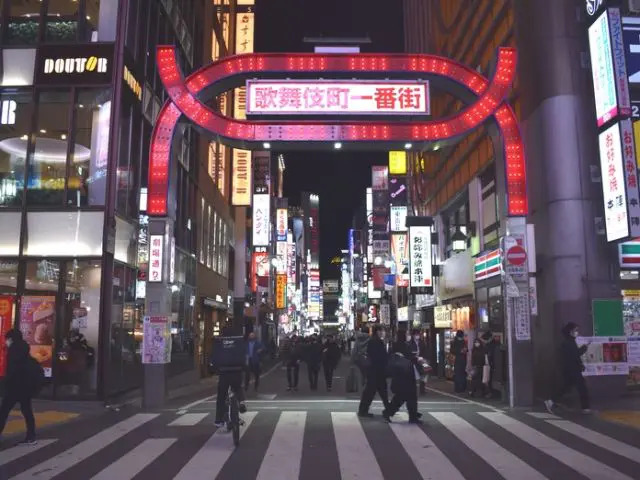
- Kabukicho entrance: The large koban at the Kabukicho gateway (near Yasukuni-dori and the Kabukicho arch) is the most visible and commonly used by tourists.
- Roppongi crossing: A koban near the main Roppongi intersection, close to the Almond coffee shop landmark.
- Shibuya scramble: A koban near the Hachiko statue and scramble crossing.
- Ikebukuro station: Koban at both the East and West exits of JR Ikebukuro Station.
Staying Safe at Adult Entertainment Venues
If you are visiting fuzoku establishments, pink salons, delivery health services, or other adult venues, additional safety considerations apply:
Use established, reviewed venues. Our venue directory and our foreigner-friendly guide list vetted establishments. Venues with websites, Google presence, and reviews from other foreign visitors are vastly safer than random walk-ins or tout-recommended places.
Confirm all prices before starting. At any venue -- pink salon, massage, hostess club -- confirm the full price including course fee, nomination fee, and any extras before the session begins. Get a clear total number.
Carry only what you need. Leave your passport in your hotel safe (carry a photocopy). Bring only the cash you are willing to spend, plus a buffer for transportation. Leave expensive watches and jewelry at the hotel.
Be cautious with alcohol before visiting adult venues. Most venues will refuse entry to heavily intoxicated customers, and impaired judgment makes you more vulnerable to overcharging or bad decisions.
Trust your instincts. If a venue feels wrong -- aggressive staff, unclear pricing, pressure to spend more -- leave. You can always find another venue. Your safety and comfort are more important than politeness.
Getting Home Safely After Late Nights
Tokyo's trains stop running around midnight to 12:30 AM and resume around 5 AM. This gap is the most logistically challenging part of a night out. Your options:
Taxis
Safe and reliable but expensive. Expect ¥3,000-5,000 for short rides within central Tokyo, and ¥8,000-15,000+ for longer distances. Late-night surcharges (20-30%) apply from 10 PM to 5 AM. Use the GO Taxi app for reliable booking -- it works like Uber with metered pricing and shows the driver's details.
Manga/Internet Cafes
Chains like Manboo, Popeye, and Kaikatsu Club offer private booths with reclining seats, blankets, free drinks, and internet access. Overnight packs run ¥1,500-2,500 (6-8 hours). Available in every major entertainment district. This is the budget traveler's go-to last-train solution.
Capsule Hotels
Walk-in capsule hotels are common near major stations. Expect ¥3,000-4,000 for an overnight stay. Some are male-only; others accept all genders. Facilities typically include showers, lockers, and common areas.
Karaoke
Karaoke chains like Big Echo, Joysound, and Karaoke-kan offer late-night "free time" packages from around midnight to 5 AM for ¥1,500-3,000 including all-you-can-drink soft drinks. You get a private room where you can sing, rest, or sleep until the first train.
Love Hotels
If you are in or near an entertainment district, a love hotel overnight stay (¥5,000-10,000) gives you a private room with a bed, bath, and amenities. See our love hotel guide for locations and how to use them.
District-Specific Safety Notes
Kabukicho (Shinjuku)
Tokyo's largest entertainment district and the area with the most scam activity targeting foreigners. Touts are most aggressive along the main Kabukicho street and near the arch entrance. The police presence is significant (a koban at the entrance, frequent patrols), but the sheer volume of activity means scams persist. Stay on main streets, avoid upper-floor venues promoted by touts, and you will be fine.
Roppongi
Roppongi's specific risks are drink spiking and the "Nigerian tout" pattern (friendly English-speaking touts who lead you to overpriced bars). The area around the main crossing is safe with heavy foot traffic. Side streets and basement clubs require more caution. The area has improved significantly in recent years but remains the highest-risk district for drug-related incidents.
Ikebukuro
Generally safer and calmer than Kabukicho. Fewer touts, less aggressive solicitation. The West Exit entertainment area is well-lit and heavily trafficked. This is a good area for first-time visitors who want entertainment district access without the intensity of Kabukicho.
Shibuya
The Dogenzaka (love hotel hill) area and Center-gai bar street are generally safe. Weekend nights get very crowded and rowdy but rarely dangerous. Petty theft (unattended bags, dropped wallets) is the main risk -- though even this is rare by international standards.
The Bottom Line: Tokyo Is Remarkably Safe
Despite everything written above, it is important to end with perspective: Tokyo is extraordinarily safe. The scams described here affect a tiny fraction of visitors, and almost all of them are entirely preventable by following one rule -- do not follow touts. The overwhelming majority of foreign visitors who explore Tokyo's nightlife have positive, memorable experiences without any safety incidents.
Japan's culture of honesty, its effective policing, its low tolerance for violent crime, and its deeply ingrained respect for others create a nightlife environment that is remarkably welcoming once you know the basic ground rules. Go out, explore, have fun, and come back with great stories.
For more on navigating Tokyo as a visitor, read our solo traveler's guide or explore our complete entertainment overview.