Quick Reference
- CBD Legal Status: Legal (must be 0% THC, derived from hemp stalks/seeds)
- Cannabis Legal Status: Strictly illegal -- up to 5 years imprisonment
- CBD Price Range: ¥2,000 – ¥15,000 depending on product type
- Where to Buy CBD: Smoke shops in Shibuya, Harajuku, Shinjuku; Don Quijote; Amazon Japan
- Key Warning: Zero tolerance for THC -- even trace amounts lead to prosecution
Japan is one of the most popular destinations in the world for tourists and expats alike, but it is also one of the strictest when it comes to drug enforcement. If you are accustomed to legal cannabis in your home country, you need to understand that Japan operates on an entirely different level. This guide covers everything you need to know about Japan's drug laws, what legal alternatives exist, where to find them, and what mistakes could land you in a Japanese prison cell.
Whether you are visiting Tokyo for a week or relocating to Japan long-term, this information could keep you out of serious trouble. If you are planning your first trip, our solo traveler's guide to Tokyo covers the essentials for getting around the city.
Japan's Drug Laws Explained
Japan's approach to drug enforcement is rooted in the Cannabis Control Act (Taima Torishimari Ho), originally enacted in 1948 during the American occupation. Unlike many Western countries that have moved toward decriminalization or outright legalization of cannabis, Japan has maintained and even strengthened its zero-tolerance stance over the decades. In December 2023, Japan amended the Cannabis Control Act to explicitly criminalize the use of cannabis for the first time, closing what had been a technical loophole in the law.
Penalties for Cannabis Offenses
The penalties under Japanese law are severe and non-negotiable. Simple possession of cannabis carries a sentence of up to 5 years imprisonment with hard labor. Cultivation and trafficking offenses carry sentences of up to 7 years imprisonment, and if the offense is deemed to be for profit, the maximum sentence increases to 10 years with an additional fine of up to 3 million yen. There is no distinction between "personal use" and "distribution" quantities in the way that some Western legal systems recognize. Any amount, no matter how small, is treated as a criminal offense.
How Enforcement Works
Japanese police have broad powers when it comes to drug enforcement. Officers can request urine tests from individuals they suspect of drug use, and refusing a test can itself raise legal complications. Police are known to conduct random checks in entertainment districts, particularly in areas like Roppongi and Kabukicho where foreigners congregate. Undercover officers also operate in nightclub and bar scenes.
If you are arrested on drug charges in Japan, the process is harsh. Police can detain you for up to 23 days before charges are formally filed, during which time you may have limited access to legal counsel and no access to your embassy for the initial 48 hours. Conviction rates in Japanese courts exceed 99%, so once you are charged, acquittal is extremely unlikely.
Foreigners and Drug Arrests
Foreign nationals face additional consequences beyond imprisonment. After serving a sentence, deportation is mandatory, and a permanent entry ban to Japan is typically imposed. There have been numerous high-profile cases involving foreigners. In recent years, several English teachers and military personnel have been arrested for cannabis possession, with cases widely reported in Japanese media. Japan does not treat foreign offenders with any leniency; if anything, cases involving foreigners receive extra scrutiny as authorities seek to send a clear message.
Cultural Context
It is important to understand that the cultural attitude toward drugs in Japan is fundamentally different from what you may be used to in North America, Europe, or Australia. In Japanese society, drug use is associated with organized crime (yakuza) and moral failure. There is no mainstream concept of "recreational use" being acceptable. Celebrities who are caught with drugs face career-ending consequences, public apologies, and total social ostracism. When actor Manabe Kaori was arrested for cannabis possession, every advertisement and media appearance she had was immediately scrubbed. This cultural context means you will receive zero sympathy from the public, your employer, or the legal system if you are caught with any controlled substance.
Disclaimer: Our Policy About Cannabis
Cannabis, also known as weed or marijuana, is strictly prohibited in Japan. Possession, use, and cultivation of cannabis are illegal, and penalties for violating these laws can be severe, including imprisonment for several years or more. Japanese law enforcement is known to have a zero-tolerance approach to drug offenses, and the country has some of the strictest drug laws in the world.
Even small amounts of cannabis can result in arrest and prosecution, and possessing even a small amount can lead to a mandatory minimum sentence of five years in prison. Japanese authorities also strictly control the importation and exportation of drugs, and attempting to bring cannabis into or out of the country can result in severe penalties.
This article does not encourage or endorse the use of any illegal substance. We are providing information about what is legally available in Japan so that visitors and residents can make informed decisions and, most importantly, stay out of trouble.
What if People Approach You to Sell You Weed
Although there might be people approaching you to sell you weed products, we clearly advise you not to accept them. Japan has zero tolerance for weed and we are not recommending you anything illegal in this article.

It's essential to understand that the use of cannabis is not culturally accepted in Japan, and it's essential to respect local laws and customs while visiting or living in the country.
Street dealers, particularly in areas like Roppongi, may target foreigners because they assume visitors are unaware of local laws or are desperate enough to take the risk. Some of these dealers are themselves working with or being monitored by police. Buying from a street dealer in Japan is one of the fastest ways to end up in a detention cell. Do not engage with anyone offering illegal substances, regardless of how casual the interaction seems.
However, there are various legal substances and activities that some people may use as alternatives, such as legal cannabis extracts, drinking alcohol, smoking tobacco, or engaging in other activities that provide relaxation or a sense of euphoria. It's important to note that engaging in any illegal activity, including the use of cannabis, can have serious consequences in Japan.
Legal CBD Products in Japan
CBD (cannabidiol) is the primary legal cannabis-derived product available in Japan, but the regulations surrounding it are far stricter than in most Western countries. Understanding exactly what is and is not permitted will help you find legitimate products and avoid legal trouble.
What Makes CBD Legal in Japan
For a CBD product to be legal in Japan, it must meet two strict criteria. First, it must be derived exclusively from hemp stalks or seeds. Products derived from hemp flowers, leaves, or roots are illegal regardless of their THC content. Second, the product must contain absolutely 0% THC. This is not a rounding situation. While the United States allows up to 0.3% THC in hemp products, Japan allows none. Even trace amounts that would be considered negligible in other countries will trigger a violation in Japan.
Popular CBD Product Types
The Japanese CBD market has grown substantially and now includes a range of product formats:
CBD Oils and Tinctures are the most common format. These are taken sublingually (under the tongue) and come in various concentrations, typically ranging from 500mg to 3000mg per bottle. Prices range from around 3,000 yen to 15,000 yen depending on concentration and brand.
CBD Vape Products include pre-filled cartridges and e-liquids. These are popular among younger consumers and are widely available at smoke shops. Cartridge prices typically start around 2,000 yen for basic products and can reach 8,000 yen for premium formulations.
CBD Edibles such as gummies, chocolates, and beverages have become increasingly available. Japanese brands have developed products tailored to local tastes, including matcha-flavored CBD drinks and yuzu-infused gummies.
CBD Topicals including creams, balms, and bath products are sold at health and beauty retailers. These are marketed primarily for muscle recovery and skin care rather than for psychoactive effects.
Where to Buy CBD in Tokyo
Legitimate CBD products are available from several types of retailers in Tokyo. Specialty smoke shops in Shibuya, Harajuku, and Shinjuku carry a wide selection. Some Don Quijote (Donki) stores have begun stocking CBD products in their health sections. Health food stores and wellness shops in areas like Omotesando and Daikanyama also carry premium CBD brands. Online retailers such as Rakuten and Amazon Japan list CBD products, though selection and quality vary.
| CBD Product Type | Price Range | Duration | Notes |
|---|---|---|---|
| CBD Oil/Tincture | ¥3,000-15,000 | Per bottle | 500mg-3000mg; sublingual use |
| CBD Vape Cartridge | ¥2,000-8,000 | Per cartridge | Requires 510-thread battery |
| CBD Edibles (gummies) | ¥1,500-5,000 | Per pack | Matcha and yuzu flavors available |
| CBD Topicals | ¥2,000-6,000 | Per item | Creams, balms for muscle recovery |
| Vape Battery (510) | ¥1,500-3,000 | One-time | USB rechargeable recommended |
How to Verify Product Authenticity
When purchasing CBD in Japan, look for products that display Japanese labeling with full ingredient lists in Japanese. Reputable brands will provide third-party lab test results (known as Certificates of Analysis or COAs) confirming 0% THC content. Avoid products that only have English labeling, as these may be imports that have not been properly tested for the Japanese market. If a shop cannot provide lab results upon request, consider buying elsewhere.
The CBD Experience Compared to Cannabis

According to many expat sources, some CBD products that are sold on Amazon or retail websites hits similar to weed. The company claims the products have THC-O and CBD.

THCO (delta-8-tetrahydrocannabinol-ol) is a compound derived from cannabis that is similar to THC (delta-9-tetrahydrocannabinol), the psychoactive compound in cannabis. While THCO is reported to produce similar effects to THC, its taste is dependent on the specific product and the method of consumption.

If THCO is consumed through smoking or vaporizing, it is likely to have a similar taste to smoking or vaping cannabis that contains THC. The taste can vary depending on the strain of cannabis used to produce the THCO, and some people may describe the taste as earthy, pungent, or fruity.
If THCO is consumed through edibles, such as gummies or baked goods, the taste will depend on the specific ingredients used in the product. Some people report that THCO edibles have a slightly different taste compared to edibles made with THC, but the taste can still be influenced by factors such as the quality of the ingredients and the cooking process.
Overall, the taste of THCO can vary depending on the specific product and the method of consumption, but it is likely to have some similarities to the taste of cannabis that contains THC.
Important note: The legal status of THC-O and similar synthetic cannabinoids in Japan is uncertain and changes frequently. Japan has been aggressively adding new compounds to its controlled substances list. What was legal last year may be illegal today. Always check the current status before purchasing or using any cannabinoid product in Japan.
Legal Status of Various Substances in Japan
Japan's controlled substances list is updated regularly. The following table reflects the legal status as of early 2026, but you should always verify current regulations before purchasing or bringing any substance into Japan.
| Substance | Legal Status | Notes |
|---|---|---|
| CBD (0% THC) | Legal | Must be derived from hemp stalks or seeds only |
| THC (any amount) | Illegal | Zero tolerance; severe penalties including imprisonment |
| HHC | Banned since 2023 | Was briefly legal; now classified as a designated substance |
| THC-O | Gray area / Banned | Check current status; Japan has been adding synthetic cannabinoids |
| Kratom | Legal (gray area) | Available at some shops; not explicitly scheduled but monitored |
| Magic Mushrooms | Illegal since 2002 | Were previously sold openly in head shops; now strictly banned |
| Poppers | Illegal | Classified as a "designated drug" (shitei yakubutsu) |
Japan uses a system of "designated drugs" (shitei yakubutsu) that allows the Ministry of Health, Labour and Welfare to quickly ban new psychoactive substances without going through a lengthy legislative process. This means substances that are technically legal today can become illegal with relatively short notice. The ban on HHC in 2023 is a clear example of how quickly Japan moves to close loopholes. If you are considering using any substance in a legal gray area, understand that the risk of it being reclassified is real and the consequences are severe.
Smoke Shops and Head Shops in Tokyo
Tokyo has a small but established network of smoke shops and head shops that cater to those looking for legal CBD products, herbal blends, and smoking accessories. These shops operate fully within Japanese law and should not be confused with anything illicit.
Where to Find Shops
The highest concentration of smoke shops is found in Shibuya and Harajuku, particularly along the smaller side streets and in buildings above street level. Shinjuku, especially the area around Kabukicho and the east exit, also has several shops. Shimokitazawa, known for its alternative culture, has a few smaller independent shops as well. In other major cities like Osaka, look around Amerikamura (American Village) in the Shinsaibashi area.
What They Sell
Legal smoke shops in Japan typically stock a range of products including CBD oils, CBD vape cartridges and e-liquids, CBD edibles, herbal smoking blends (non-cannabis), rolling papers, vaporizer batteries and accessories, glass pipes and bongs (sold as "tobacco accessories"), and incense. Some larger shops also carry kratom products and various herbal supplements marketed for relaxation.
What to Expect When Visiting
Japanese smoke shops are generally clean, well-organized, and staffed by knowledgeable employees. Many staff members speak some English, particularly in tourist-heavy areas. You may be asked to show identification confirming you are over 20 years old (Japan's legal age for tobacco products). Prices are typically displayed clearly, and bargaining is not customary. Expect to pay between 2,000 and 10,000 yen for most CBD products, with premium items and larger quantities costing more.
All products sold in legitimate shops will have Japanese labeling. If a shop is selling products with only foreign labeling and no Japanese compliance information, this is a red flag. Stick to established shops with a visible business presence.
Attachment for the Oil Cartridge
Airistech VERTEX V2.0 CBD can power the cartridge we discussed earlier.
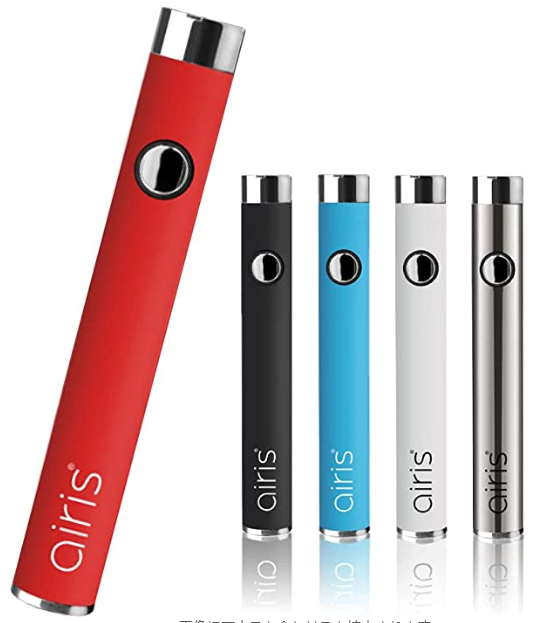
When selecting a battery for your CBD cartridge, it's important to choose one that is compatible with the specific cartridge you are using. Look for a battery that has a 510-threaded connection, which is the industry standard for oil cartridges.
Some batteries are designed to offer adjustable voltage settings, which can allow you to customize the temperature and intensity of the vapor produced by your cartridge. Other features to look for in a battery include a compact and portable design, fast charging, and ease of use.
It's also important to choose a battery from a reputable manufacturer and to follow all safety precautions when using it. Always follow the instructions provided with your battery and avoid overcharging or using a damaged or defective battery.
Amazon usually offers the battery at the lowest price you can find. You should select in the related products if you have a preference.
What NOT to Bring Into Japan
Japanese customs enforcement is thorough, and making a mistake at the border can ruin your entire trip, or worse, your life. This section covers what you absolutely should not bring into Japan and how to handle prescription medications.
Customs Screening and Enforcement
Japanese customs officers screen incoming passengers and luggage carefully. Drug-sniffing dogs are deployed at major international airports including Narita, Haneda, Kansai, and Chubu Centrair. X-ray screening is standard for all checked and carry-on luggage. Customs officers also have the authority to perform detailed physical inspections of luggage and persons if they have reasonable suspicion.
International mail and packages are also screened. If you order CBD products from overseas and they are intercepted at customs, the products will be tested. If any THC is detected, the package will be seized and you may face a criminal investigation even if you did not intend to import an illegal substance.
Prescription Drugs Banned in Japan
Several prescription medications that are legal and commonly used in other countries are banned or strictly controlled in Japan. This catches many travelers off guard. The following are particularly important to know about:
Stimulant medications containing amphetamine or methamphetamine are strictly prohibited. This includes common ADHD medications such as Adderall (amphetamine) and Vyvanse (lisdexamfetamine). Ritalin (methylphenidate) is available in Japan but requires special documentation. If you rely on ADHD medication, consult your doctor about alternatives before traveling.
Certain opioid painkillers are controlled or banned. Codeine-containing medications above certain thresholds require documentation. Strong opioids like oxycodone are strictly regulated.
Pseudoephedrine, found in many over-the-counter cold medicines like Sudafed, is controlled in Japan due to its potential for methamphetamine production. You may not bring more than a limited supply, and some formulations are banned entirely.
How to Check If Your Medication Is Allowed
The Ministry of Health, Labour and Welfare (MHLW) provides a process called Yakkan Shoumei (import certificate for medicines) that allows you to bring certain controlled medications into Japan for personal use. The process involves submitting an application form along with a doctor's letter and prescription details to the MHLW's Narcotics Control Department before you travel. Processing typically takes two to four weeks, so plan ahead. For medications that are completely banned (like Adderall), no import certificate will be granted.
The Detention Process If Caught
If customs finds a prohibited substance in your possession, you will be detained immediately. Your passport will be confiscated. You will be transferred to a police station for questioning, which can last many hours. As noted earlier, police can hold you for up to 23 days before filing charges. During detention, conditions are strict: small cells, limited contact with the outside world, and interrogation sessions conducted primarily in Japanese. An interpreter may or may not be provided promptly. Your embassy will be notified but has limited ability to intervene in the legal process.
The bottom line is simple: if you are unsure whether something is legal to bring into Japan, do not bring it. The consequences of guessing wrong are life-altering.
Essential Japanese Phrases for CBD Shopping
Staying Safe: Final Advice
Japan is an incredible country to visit and live in, but respecting its drug laws is non-negotiable. Stick to verified legal products purchased from reputable Japanese retailers. Never accept substances from strangers. Do not assume that what is legal in your home country is legal in Japan. And if you have any doubt about a substance, err on the side of caution.
For more on navigating Japan's unique culture and entertainment scene as a foreigner, read our guide to Japan's adult entertainment industry and our solo travel guide for Tokyo.