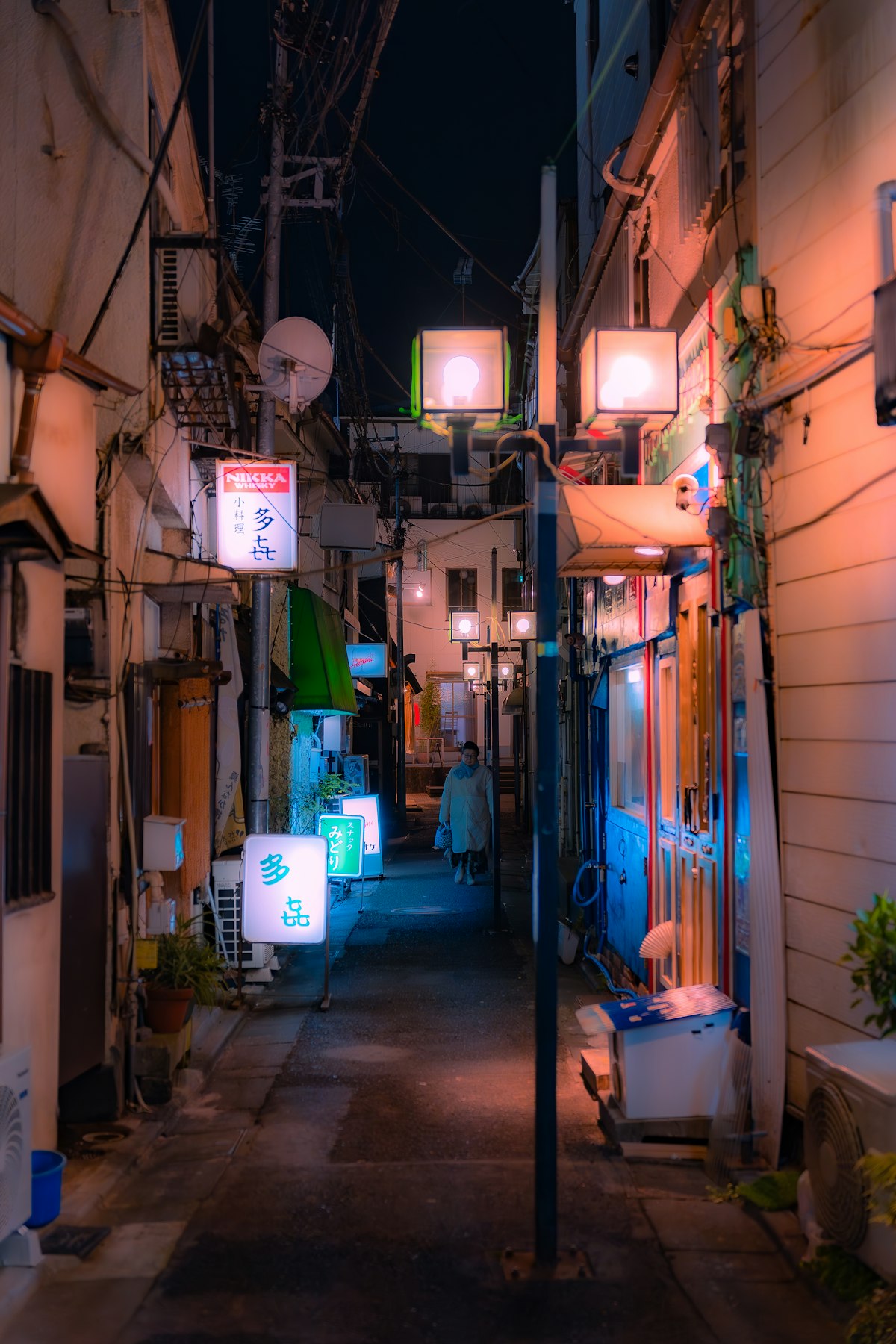
There are 120-130 pink salon parlors in Tokyo, making it the densest concentration of pinsaro venues anywhere in Japan. For foreign visitors trying to navigate this world, the sheer number of options across dozens of neighborhoods can be overwhelming.
Quick Reference
- Price Range: ¥2,000 – ¥8,000 (varies by district)
- Best Areas: Kabukicho (Shinjuku), Ikebukuro, Gotanda
- Foreigner-Friendly: Ikebukuro (High), Kabukicho (Medium), Gotanda/Ueno (Low)
- Japanese Required: Basic phrases helpful; minimal needed once seated
- Duration: 20-30 minutes standard, up to 60 minutes extended
The three main pinsaro districts in Tokyo are Shinjuku (Kabukicho), Ikebukuro, and Gotanda. Each has its own character, pricing norms, and level of accessibility for non-Japanese speakers.
Shinjuku and Ikebukuro have many school-style salons, while Gotanda and Otsuka have many stores with a large rotation of staff where the girls rotate 3-5 times per session. Meanwhile, Sugamo, Otsuka, and Kamata have many very cheap stores that cater to budget-conscious regulars.
This guide breaks down every pink salon district in Tokyo, compares pricing, and offers practical advice for first-timers and foreign visitors alike. Whether you are visiting Tokyo for the first time or looking to explore a district you have not tried before, the information below will help you plan a visit with confidence. For broader context on how pink salons fit into Japan's adult industry, see our complete Japan adult guide.
How Pink Salons Work: A First-Timer's Guide
If you have never visited a pink salon before, the process can feel confusing. Unlike soaplands or delivery health services, pink salons operate on a quick-turnover model with their own set of unwritten rules. For a full walkthrough of service flows and etiquette, read our comprehensive pink salon guide. Below is a condensed overview of what to expect.
Step-by-Step: Your First Visit
When you arrive at a pink salon, you will typically find the entrance on an upper floor of a building in an entertainment district. A small sign or illuminated board outside marks the location. Here is how a standard visit unfolds:
1. Entry and payment. You enter the reception area, where a staff member (usually male) will explain the pricing and available courses. You pay upfront in cash. Most venues offer a standard 20-minute or 30-minute course. Some shops offer extended 40-minute or 60-minute options at a higher price.
2. Seating. After paying, you are shown to your seat. Pink salons use two main seating formats. Open seating places you on a long sofa or bench alongside other customers, separated by low partitions that provide minimal privacy. The atmosphere is similar to sitting in a dimly lit bar, except the seats face the same direction. Booth seating offers more enclosed, semi-private spaces with higher partitions or curtains. Booth-style venues tend to charge slightly more but are generally preferred by first-timers who want less exposure. If privacy matters to you, ask at reception whether the venue has booth seating before paying.
3. The session begins. A staff member approaches your seat. In most venues, the lighting is very dim, and background music plays at moderate volume. The staff member will typically offer you a hot towel and mouthwash before the session starts.
4. The rotation system. This is what sets pink salons apart from other adult services. In a standard rotation-based shop, the staff member serving you will change partway through your session. For a 20-minute course, you might see one or two different staff members. For a 30-minute course, you might see two or three. Each rotation lasts roughly 7-10 minutes. You do not choose who rotates to you unless you pay extra for a nomination (shimei). The rotation system means that the quality of your experience depends partly on luck. Some customers prefer nomination to guarantee consistency, while others enjoy the variety that free rotation provides. In high-traffic venues like those in Kabukicho, the rotation pool is larger, so you are more likely to encounter a wider range of staff during your visit.
5. Time limit enforcement. Pink salons are strict about time. When your session ends, a buzzer sounds or a staff member taps your shoulder. You are expected to leave promptly. There is no lingering.
6. Exit. You clean up with the provided tissues and towels, return to the reception area, and leave. The entire process from entry to exit typically takes under 30 minutes for a standard course.
What Is Included vs. What Costs Extra
The base price at most pink salons covers the session time and the standard rotation of staff. The core service is oral-based. Touching the staff member's body above the waist is generally permitted, but rules vary by shop.
Extras that typically cost additional money include:
- Nomination (shimei): Choosing a specific staff member costs an extra ¥500-¥1,500 on top of the base price.
- Extended time: Adding 10-20 minutes to your session is usually available for ¥1,000-¥2,000.
- Drinks: Some venues sell alcoholic drinks (beer, highballs) for ¥500-¥800. Drinking is optional and not expected.
- VIP or private rooms: A few upscale venues offer private booth upgrades for ¥1,000-¥3,000 extra.
It is worth noting that some shops operate on a fixed-staff model rather than rotation. In these venues, a single staff member attends to you for the entire session. Fixed-staff shops are less common but do exist in Ikebukuro and Kabukicho. They tend to cost slightly more than rotation-based venues. If you prefer this format, ask at the reception before paying.
To understand the cultural context of pink salons and how they differ from other adult entertainment options, that linked article provides useful background.
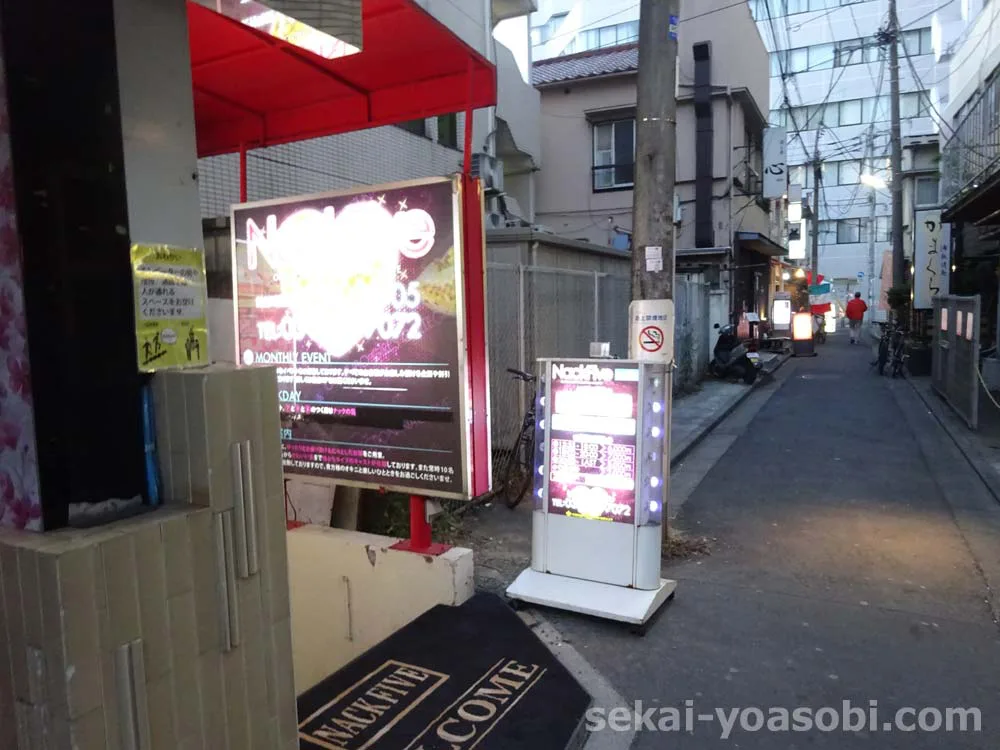
If you want to play in Tokyo's Pinsaro, you need to know what to expect before you go.
Read this article about what are the service flows:
These words are used to refer to major pink salon groups that operate mainly in the Kanto area. You can see them in the shop before you walk in, so you know what are you about to get.
Pink salon groups in Tokyo: Hulakei.
The largest Pinsaro group in the Kanto area with about 20 stores.
Pink salon groups in Tokyo: Lemon Group
Hula's sister group with about 10 stores.
Pink salon groups in Tokyo: Nac group
Groups located along the Chuo Line, approx. 10 stores
Pink salon groups in Tokyo: Upward
A group that operates mainly in Gotanda with about 10 stores.
Each group has its own characteristics, so you can enjoy Tokyo's Pinsaro more if you know in advance which group the store is affiliated with.
Recommended Pink Salon Towns by Purpose in Tokyo
For pink salon beginners: Ikebukuro, Gotanda, Shinjuku
For those who are new to pink salons, "Ikebukuro," "Gotanda," and "Shinjuku" are recommended.
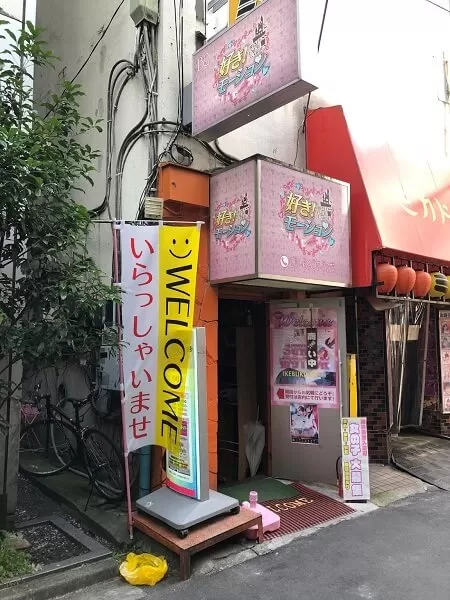
The scale of the entertainment district is large, and there are many large and popular pink salons, so you can play safely and securely even if it is your first time.
Since it is a "fierce battle zone" where many major Pinsaro groups compete with each other, the level of girls is naturally high.
After getting used to playing in Ikebukuro, Gotanda, and Shinjuku, please try to find a Pinsaro area that suits you best. For a deep dive into Ikebukuro specifically, check out our Ikebukuro pink salon guide with detailed venue reviews.
For those who want to enjoy the cheap and inexpensive pink salons: Otsuka, Sugamo, Kamata
If you are looking for a cheap place to live, we recommend Otsuka, Sugamo, and Kamata. If so, we recommend "Otsuka," "Sugamo," and "Kamata.
These areas are known for offering some of the most affordable sessions in Tokyo.
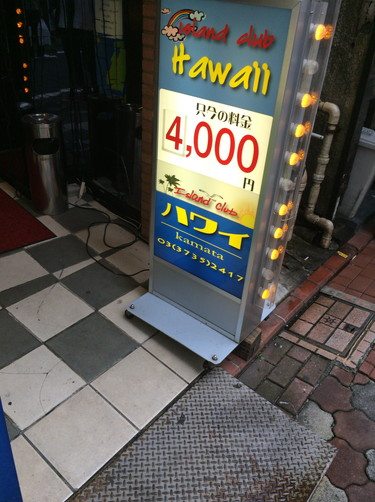
However, as the image of "very inexpensive store = mines" suggests, it is inevitable that you will find chubby or elderly girls if you go in with a free rotation.
If you want to pay attention to the quality of the girls, you can play cosmetically if you nominate a ranked girl from a store that has a ranking system.
For those who want to play in pink salons with young girls: Ikebukuro, Shinjuku, Shibuya
If you want to play in a pink salon with many young girls around 20 years old, "Ikebukuro," "Shinjuku," and "Shibuya" are recommended.
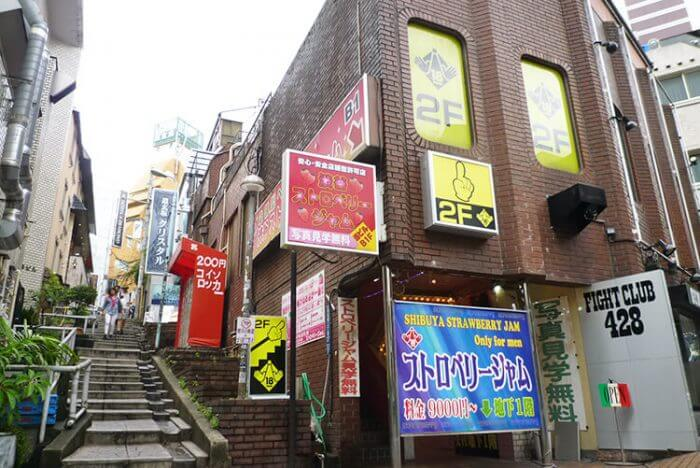
Many young girls with little experience in the sex industry, such as female college students and vocational school students, are working there.
The number of new and trial girls increases during new semesters and long vacations.
For those who want to play in a pink salon with a married woman or a mature woman: Otsuka, Sugamo
Otsuka and Sugamo are recommended if you like married and mature women.
There are many stores with girls in their 30s or older, and pink salons specializing in "married women" are also popular.
Married women's clubs are also known for being affordable options.
For those who want to play in a pink salon where you can have real sex
A pink salon store that offers a sexual performance is called a "Honsaro".
Incidentally, it is illegal to perform a real service in a pink salon.
Honsaro became popular in the early 2000s, and many of them existed in Nishi-Kawaguchi and Akabane. Especially in Nishi-Kawaguchi, there were many young and pretty girls and it was called "NK style (Nishi-Kawaguchi)" and gained popularity.
However, nowadays, due to police seizures, the area has been destroyed, and (almost) no Honjaro stores exist.
Those who want to have sex in a brothel should use "Soaps, Delivery health, or Dispatch Reflex".
Price Comparison by District
Pricing varies significantly across Tokyo's pink salon districts. The table below summarizes what you can expect to pay in the four main areas, along with notes on peak hours, off-peak discounts, and how accessible each district is for foreign visitors.
| District | Entry Price | Standard Session | Peak Hours | Off-Peak Discount | Foreigner Access |
|---|---|---|---|---|---|
| Kabukicho (Shinjuku) | ¥3,000 | 20 min | 6PM - 10PM | Some shops offer ¥500 off daytime | Medium |
| Ikebukuro | ¥3,000 | 20-30 min | 7PM - 11PM | Common daytime deals | High |
| Gotanda | ¥3,500 | 20 min | 6PM - 10PM | Less common | Low |
| Ueno | ¥3,500 | 20 min | 5PM - 10PM | Some available | Low-Medium |
Kabukicho and Ikebukuro are the most competitive markets, which keeps prices lower. Ikebukuro in particular is known for frequent daytime promotions and longer standard sessions, making it the best value for most visitors. Gotanda and Ueno start slightly higher at ¥3,500, and off-peak discounts are less reliable.
Budget areas like Otsuka, Sugamo, and Kamata can go even lower, with some shops advertising sessions from ¥2,000-¥2,500. However, quality and hygiene standards at the cheapest venues can be inconsistent. At these price points, you are more likely to encounter older or less experienced staff, and the facilities may be more worn. For most visitors, spending ¥3,000-¥4,000 at a mid-range venue in Ikebukuro or Kabukicho delivers much better value than trying to save a few hundred yen at a bargain shop.
Keep in mind that prices listed at the door are almost always for the most basic course with free rotation. Nominations, extended time, and drinks add up quickly. A realistic budget for a single visit with a nomination and a drink is ¥5,000-¥7,000 in the main districts.
For a broader look at pricing and venues across Ikebukuro specifically, see our detailed Ikebukuro pink salon guide.
Best Times to Visit
When you visit matters almost as much as where you go. Crowd levels, staff availability, and pricing all shift depending on the day and time.
Weekday Afternoons (12PM - 5PM)
This is the least crowded window across all districts. You will rarely wait for a seat, and some venues offer discounted afternoon rates (typically ¥500 off the standard price). Staff selection may be thinner than the evening shift, but the relaxed pace makes this ideal for first-timers who want a low-pressure experience. Ikebukuro and Kabukicho have the most consistent afternoon service.
Friday and Saturday Evenings (6PM - 11PM)
This is peak time. Venues staff up with their best and most popular employees, so you get the widest selection. The trade-off is that popular shops in Kabukicho and Ikebukuro can have short waits during this window, especially between 8PM and 10PM. If you plan to visit on a Friday or Saturday night, arriving early (around 6PM) helps you beat the rush.
Late Night (After 11PM)
Venues that stay open late tend to have thinner staff selection as some employees finish their shifts. However, you will almost never wait for a seat. Late-night sessions can feel more relaxed, and some shops offer end-of-night discounts to fill seats. Not all venues stay open past midnight, so check operating hours in advance.
Payday Weekends (Around the 25th of the Month)
In Japan, most salaries are paid on the 25th of each month. The weekend closest to payday is consistently the busiest period for pink salons across all districts. Kabukicho and Ikebukuro are especially packed. If you want to avoid crowds, steer clear of this window. If you do visit, expect longer waits but also the largest staff rosters of the month.
Seasonal Patterns
New semesters (April and October) and the period just before long holidays (Golden Week in late April, Obon in August, year-end in December) tend to see an influx of new staff as students and part-time workers pick up shifts. These periods can be good for variety, though new staff may be less experienced.
Holiday and Event Periods
During major holidays like Golden Week (late April to early May), Obon (mid-August), and the year-end/New Year period, some venues reduce their hours or close entirely. Staff availability can be unpredictable. On the other hand, the days immediately before and after these holidays are often busy as regulars try to fit in visits around their schedules. If you are visiting Tokyo during a major holiday, confirm operating hours in advance. Venues in Kabukicho tend to have the most consistent holiday schedules, while smaller shops in outlying districts are more likely to close.
Tips for Foreign Visitors
Pink salons are among the more accessible adult entertainment options for foreigners in Tokyo, but not all venues welcome non-Japanese customers. Here is what you need to know to have a smooth experience.
Which Districts Are Most Welcoming
Foreigner-friendliness varies significantly by area. Based on current conditions:
Ikebukuro: Most welcoming. The West Exit entertainment area has the highest concentration of venues that accept foreign customers without issue. Several shops here have experience serving non-Japanese visitors and some display basic English signage. This is the best starting point for foreign first-timers. Our Ikebukuro pink salon guide covers specific foreigner-friendly venues.
Kabukicho (Shinjuku): Mixed. As the largest entertainment district, Kabukicho has more total options, but attitudes toward foreign customers vary widely from shop to shop. Some venues turn away non-Japanese speakers entirely, while others are welcoming. The newer, larger chain-operated shops tend to be more open than small independent venues. If you speak even basic Japanese, your chances of being accepted improve considerably. Venues affiliated with the Hulakei or Lemon groups in Kabukicho are generally more accommodating than independent operators.
Gotanda and Ueno: Difficult. These areas cater primarily to Japanese regulars and have less experience with foreign visitors. You may encounter refusal at the door. If you do not speak conversational Japanese, these districts are not recommended as a starting point.
You can also browse foreigner-friendly venues on our venue directory, which lists establishments that are known to accept international visitors.
Basic Japanese Phrases for Pink Salons
Even minimal Japanese goes a long way. Here are the most useful phrases:
- "Hajimete desu" (It's my first time) -- Staff will explain the process more carefully.
- "Nijuppun de onegaishimasu" (20 minutes please) -- Requesting the standard course.
- "Sanjuppun de onegaishimasu" (30 minutes please) -- Requesting a longer course.
- "Shimei nashi de" (No nomination / free rotation) -- You will accept whoever is assigned.
- "Ikura desu ka?" (How much is it?) -- Asking the price.
- "Gaikokujin demo daijoubu desu ka?" (Is it OK for foreigners?) -- Ask this at the door to avoid wasted time.
- "Arigatou gozaimashita" (Thank you very much) -- Always polite to say when leaving.
A translation app on your phone is also helpful. Google Translate's camera mode can read Japanese price boards and menus in real time. Having these phrases prepared on your phone's notes app or written on a card can speed things up at the reception desk.
It is also worth memorizing a polite refusal if you are offered extras you do not want: "Daijoubu desu" (I'm fine / no thank you) said with a smile works in most situations.
Cash Only -- Be Prepared
Almost every pink salon in Tokyo is cash only. Credit cards are not accepted. ATMs that accept foreign cards are available at most convenience stores (7-Eleven, Lawson, FamilyMart) and Japan Post offices.
Prepare the right amount in advance. While venues can make change, having bills in ¥1,000 denominations keeps things simple. A typical visit costs ¥3,000-¥6,000 for the session plus ¥500-¥1,500 if you want a drink or nomination. Carrying ¥10,000 gives you comfortable headroom for a session with a nomination and a drink, plus cab fare afterward if needed.
Some visitors are caught off guard by the fact that tips are neither expected nor customary. In fact, offering a tip can create confusion. Simply pay the stated price and leave. This is standard practice across all adult entertainment in Japan.
Hygiene Expectations
Pink salons maintain basic hygiene standards. Most venues provide the following at your seat:
- Mouthwash (usually provided before the session starts -- use it)
- Wet towels or oshibori for cleaning up
- Tissues
Showering beforehand is not required (unlike soaplands), but basic cleanliness is expected. Brushing your teeth before your visit is appreciated by staff, and doing so shows consideration that will be noticed. Some venues have a small restroom where you can freshen up before the session. If you are visiting after a long day of sightseeing, consider stopping at a convenience store for a quick toothbrush kit (available for around ¥200 at any konbini) and freshening up in a public restroom before heading to the venue.
What Not to Do
These rules are not always posted but are strictly enforced:
- Do not touch the staff member's head or hair. This is the most commonly violated rule by first-timers. Hands on the body are generally fine, but the head is off-limits at most venues.
- Do not arrive visibly intoxicated. You will be turned away at the door. Having a drink or two beforehand is fine, but stumbling or slurring will get you refused entry.
- Do not take photos or use your phone during the session. Phones should be pocketed or placed face-down.
- Do not negotiate or haggle on price. Prices are fixed. Attempting to negotiate is considered rude and may get you asked to leave.
- Do not overstay your time. When the buzzer sounds or staff signals the end, get up and leave promptly.
- Do not ask for services not offered. Pink salons have a defined service scope. Pushing for more creates problems for the staff and for you.
Following these guidelines will result in a positive experience and ensure you are welcomed back. Pink salon staff appreciate polite, respectful customers, and good behavior on your part makes it easier for future foreign visitors to be accepted at the same venue.
Getting There and Finding the Entrance
Locating a pink salon for the first time can be challenging. Unlike larger adult entertainment businesses such as soaplands, which often have prominent street-level signage, pink salons tend to be tucked away on upper floors of nondescript buildings. Here are some practical tips for finding your way:
- Look up, not straight ahead. Most pink salons are on the second floor or higher. Scan building directories and small illuminated signs mounted above ground-floor shops.
- Use landmarks. In Kabukicho, the main cluster is east of Yasukuni-dori, roughly between the Toho Cinema building and the Golden Gai area. In Ikebukuro, concentrate on the streets within a five-minute walk of the West Exit.
- Go during operating hours. Signs and entrance lights are often only visible when the shop is open. Visiting during the day to scope out locations may not work because signage can be dark or retracted.
- Use online maps. Google Maps listings for pink salons are unreliable, but some shops do appear. Cross-reference with Japanese directory sites or our venue directory for confirmed locations.
Once you find the building, take the elevator or stairs to the listed floor. The entrance is usually a small door with the shop name. Ring the bell or simply walk in. Staff at reception will greet you and explain the available options.
Tokyo Pink Salon Map: Different Places Different Experiences
Below is a district-by-district breakdown of every notable pink salon area in and around Tokyo. Each listing includes a recommendation level based on accessibility, venue quality, and suitability for different types of visitors. Districts marked "Recommended for beginners" are the safest starting points for first-timers and foreign visitors. Districts marked "For professionals" cater to experienced customers who know what they want and can navigate Japanese-only environments. Districts marked "Not recommended" have too few venues, poor quality, or other drawbacks that make them a poor use of your time when better options exist nearby.
Ikebukuro *Recommended for beginners
One of the top Pinsaro (short for Pink Salon, a type of adult entertainment) areas in the city. It's a highly competitive area where many major groups have multiple outlets, including outcall Pinsaros.
Shinjuku *Recommended for beginners
Like Ikebukuro, school-themed salons are popular. Kabukicho offers a variety of excellent shops, ranging from established ones that have been in business for 50 years to new ones.
Gotanda *Recommended for beginners
A traditional Pinsaro area. Many shops where girls rotate 2-5 times. There are also many cosplay and concept shops.
Otsuka *If you're budget-conscious
A mecca for budget-friendly Pinsaros. With over 20 shops, it is the most numerous in the metropolitan area. The main focus is on rotation-based affordable shops. Famous for featuring 'landmine girls' in the 'Ouch Tattata'.
Sugamo *If you're budget-conscious
Like Otsuka, the area is centered on affordable rotation shops. Currently, there are only two of the three major families left, as 'Koisuru Venus', one of the three major families, has closed.
Shibuya *Not recommended
Only one shop in the south exit. Shibuya has a small number of store-type adult entertainment venues, including Sekukyaba and health shops, not just Pinsaros.
Ueno *Not recommended
The once popular Pinsaro area centered around Nakamachi Street is now down to just one shop. It was once famous for its many rip-off shops.
Kichijoji *Not recommended
The Pinsaro scene is declining due to the area becoming popular. Only good shops remain.
Shinbashi *Not recommended
Due to the popularity of cabarets and intimate cabarets, there are only a few Pinsaros. In Shinbashi, non-extraction shops are more popular than extraction shops.
Meguro *Not recommended
Only one shop in the west exit. As it's a non-red light district, there are only two store-type adult entertainment venues, including Pinsaros.
Nerima *Not recommended
Only one shop in front of Nerima Station. It's better to choose Ikebukuro or Shinjuku, which are 10 minutes away by train.
Kamata *Not recommended
Most of the shops do not have official websites. There are many cheap end-of-the-line salons at the east exit.
Koenji *For professionals
One of the leading Pinsaro areas on the Chuo Line. School-themed Pinsaros in the south exit are popular.
Kinshicho *For professionals
There's a variety of school-themed, amateur, and cheap shops, but the area feels rundown.
Ogikubo *For professionals
The birthplace of the Nack group. There's a starfish here that's been ranked #1 for over 10 years.
Akabane *For professionals
Once a sanctuary for traditional salons, it's now becoming more wholesome. Visit after getting used to playing in Ikebukuro.
Higashi-Jujo *Not recommended
All Pinsaros in Higashi-Jujo closed in 2020. It's better to go to neighboring Akabane or Ikebukuro.
Tachikawa *If you live in Tama
The birthplace of the Uejou group. Pinsaros flourish at both north and south exits.
Kawasaki *If you live in Kanagawa
The birthplace of the Fula group. If you like the Fula style, you should visit at least once.
Omiya *Not recommended
There are only a few shops, possibly because it's close to Ikebukuro. The area is mainly filled with delivery health and soapland.
Funabashi *If you live in Chiba
There are about 5 shops in Funabashi and Nishi-Funabashi Station, from Fula style to long-established shops.
Essential Japanese Phrases
Choosing Your First District: A Quick Summary
If you are a foreign visitor making your first trip to a Tokyo pink salon, the decision tree is straightforward. Start in Ikebukuro if foreigner-friendliness is your top priority. The West Exit area has the most welcoming venues, competitive pricing, and a good selection of staff. It is the lowest-friction entry point into the pinsaro world.
If you want the largest selection and do not mind a slightly higher chance of being turned away, Kabukicho in Shinjuku is the biggest market with the most variety. Shops here range from budget rotation venues to higher-end establishments that have been operating for decades. The energy of Kabukicho itself adds to the experience.
Gotanda is best for return visitors who have already tried Ikebukuro or Shinjuku and want something different. The rotation-heavy format and cosplay concept shops offer a distinct flavor that you will not find in the school-themed salons that dominate the other two districts. However, Gotanda is less foreigner-friendly and requires more Japanese language ability to navigate smoothly. The Upward group, which operates primarily in Gotanda, runs several of the better-known venues in the area.
Budget-conscious visitors should look at Otsuka or Sugamo, keeping in mind the trade-offs in staff quality. These areas reward the adventurous and tolerant, but they are not a good fit if you have high expectations for your first visit.
No matter which district you choose, preparing cash, learning a few Japanese phrases, and following basic etiquette will dramatically improve your experience. Tokyo's pink salon scene is one of the most unique aspects of the city's adult entertainment landscape, and with the right preparation, it is accessible to most visitors willing to make the effort.
For more detailed information on specific venues and current listings, browse our venue directory or read the individual district guides linked throughout this article.