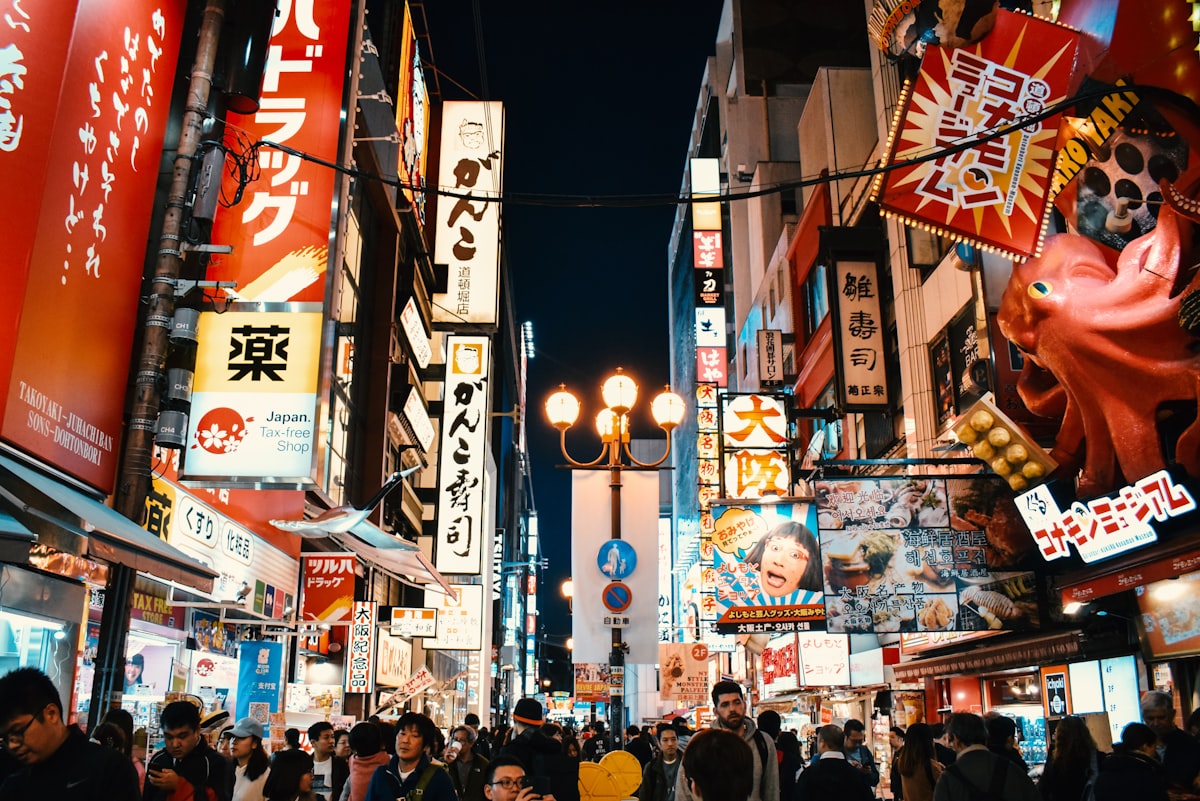
The characteristics of fuzoku establishments in different regions of Japan can vary greatly depending on a number of factors, including local laws, customs, and cultural attitudes towards sexuality and adult entertainment. Japan's fuzoku categories exist in every major city, but the way they operate, the prices they charge, and the degree to which they welcome foreign visitors differs enormously depending on where you are.
Quick Reference
- Cheapest City: Osaka (20-30% below Tokyo prices)
- Most Foreigner-Friendly: Tokyo (Ikebukuro, Kabukicho, Roppongi)
- Best Value: Osaka and Sapporo
- Most Restrictive: Kyoto and Nagoya (very limited foreigner access)
- Delivery Health Price Range: ¥10,000 (Osaka) – ¥25,000 (Tokyo)
In general, fuzoku establishments in larger cities such as Tokyo and Osaka tend to be more diverse and openly offer a wider range of services, while those in smaller towns or rural areas may be more limited in terms of the services they offer.
Additionally, some regions may have more stringent laws and regulations regarding fuzoku establishments, leading to a more restricted or conservative atmosphere. In contrast, other regions may have a more relaxed or permissive attitude towards fuzoku, allowing for a wider range of establishments and services.
It is also worth noting that different types of fuzoku establishments may be more prevalent or popular in certain regions, reflecting regional differences in customer preferences and demand. For a broader overview of the entire industry, see our complete Japan adult guide.
Overall, the characteristics of fuzoku in different regions of Japan can vary greatly and it is important to research specific establishments and local laws and customs before visiting.
Tokyo: the business center
As the largest city in Japan and a hub for tourism and entertainment, Tokyo has a thriving fuzoku industry with a wide range of establishments, including hostess clubs, pink salons, soap lands, cabarets, and others. Some areas in Tokyo, such as the Kabukicho district, are known for having a high concentration of fuzoku establishments and a more liberal attitude towards adult entertainment.
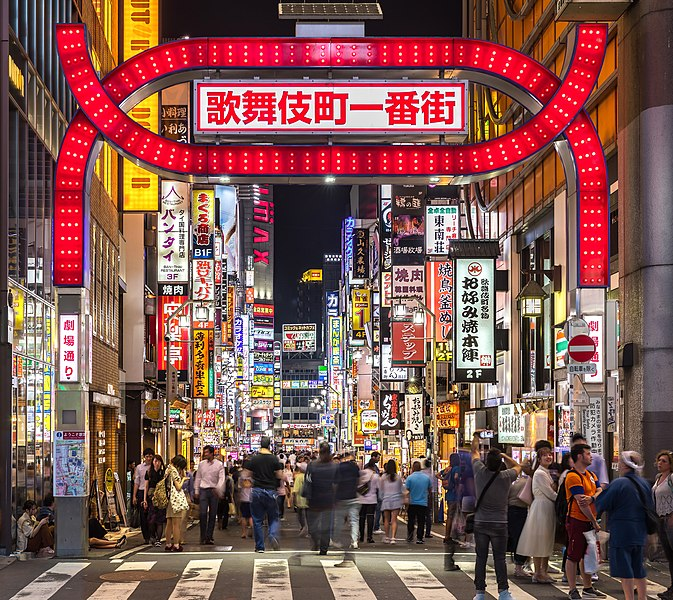
Tokyo is by far the most important city for foreigners visiting Japan's adult entertainment scene. Several districts cater to different preferences and budgets. Kabukicho in Shinjuku is the most famous entertainment district in all of Japan, packed with hostess clubs, fuzoku shops, and nightlife of every description. Ikebukuro has become the go-to destination for budget-conscious visitors, with some of the most competitive pricing in the city for pink salons and delivery health services. Roppongi, traditionally known as the "foreigner district," has the most English-friendly venues but also the highest prices and the most aggressive touts.
For soaplands, the historic Yoshiwara district remains the center of the industry, though foreigner acceptance varies from shop to shop. Delivery health services cover the entire Tokyo metropolitan area and represent the easiest entry point for foreign visitors since many can be booked online.
We have covered many topics regarding this prior. You should read the following articles if you want to know more about Tokyo.
Regional Price Comparison
One of the most significant differences between Japanese cities is pricing. Tokyo commands the highest prices across almost every fuzoku category, while Osaka, Fukuoka, and Sapporo offer substantially lower rates for comparable services. The table below provides approximate price ranges in Japanese yen for the most common service types across five major cities.
| Service Type | Tokyo | Osaka | Nagoya | Fukuoka | Sapporo |
|---|---|---|---|---|---|
| Delivery Health | ¥15,000-25,000 | ¥10,000-18,000 | ¥12,000-20,000 | ¥10,000-18,000 | ¥10,000-18,000 |
| Pink Salon | ¥3,000-5,000 | ¥2,500-4,000 | ¥3,000-4,500 | ¥2,500-4,000 | ¥2,500-4,000 |
| Soapland | ¥20,000-60,000+ | ¥15,000-40,000 | ¥15,000-35,000 | ¥15,000-35,000 | ¥15,000-35,000 |
| Fashion Health | ¥10,000-20,000 | ¥8,000-15,000 | ¥8,000-15,000 | ¥8,000-15,000 | ¥8,000-15,000 |
These prices reflect standard session lengths, typically 30 to 60 minutes depending on the service type. Actual costs may vary based on the specific shop, the time of day, course options, and nomination fees for requesting a particular staff member. Tokyo's premium pricing is driven by higher operating costs and the sheer volume of demand from both domestic and international visitors. Osaka's lower prices, by contrast, reflect the city's culture of value and directness -- Osaka residents famously hate overpaying for anything.
For budget-conscious visitors, the difference is meaningful. A night out that might cost upwards of ¥40,000 in Tokyo's Roppongi district could cost less than ¥25,000 for a comparable experience in Osaka's Namba area or Sapporo's Susukino. If you are planning to visit multiple fuzoku categories during your trip, choosing a city outside Tokyo can stretch your budget significantly further.
Osaka: Japan's Second Adult Capital
Osaka, the second largest city in Japan, is also known for having a thriving fuzoku industry, with a similar range of establishments as those found in Tokyo. Some areas in Osaka, such as the Dotonbori district, are known for being lively and energetic, with a more relaxed attitude towards adult entertainment.
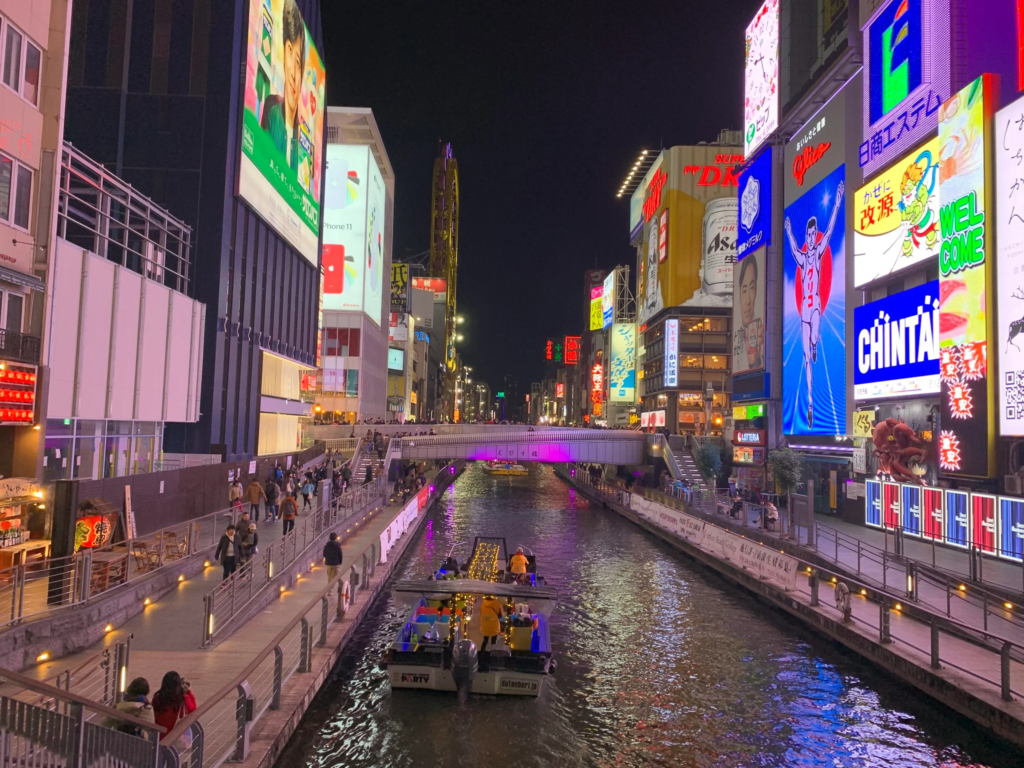
The fuzoku industry in Osaka, Japan is known for being lively and energetic, with a more relaxed attitude towards adult entertainment compared to other regions in Japan. The city has a similar range of fuzoku establishments as those found in Tokyo, including hostess clubs, pink salons, soap lands, cabarets, and others.
Some areas in Osaka, such as the Dotonbori district, are known for having a high concentration of fuzoku establishments and a more permissive atmosphere.
It is important to note that while Osaka's fuzoku industry is significant and caters to local and tourist demand, local laws and regulations still apply and must be respected. It is always advisable to research specific establishments and local laws and customs before visiting.
Tobita Shinchi
Perhaps the most unique aspect of Osaka's adult entertainment scene is Tobita Shinchi, widely considered Japan's most famous traditional red-light area. Located near Shinsekai, this small neighborhood consists of rows of old wooden houses where women sit on display by the entrance. The system is entirely cash-based and operates on an unspoken understanding. Tobita Shinchi has no signage, no websites, and no advertising -- you simply walk through the narrow streets and choose. Prices are standardized and considerably lower than comparable Tokyo experiences. However, Tobita Shinchi is almost entirely closed to foreigners, and attempting to enter without Japanese language ability will likely result in being turned away.
Nipponbashi
Osaka's Nipponbashi district, sometimes called "Den Den Town," is the city's electronics and otaku quarter, comparable to Akihabara in Tokyo. Alongside the anime shops and electronics stores, the area has a significant concentration of adult goods shops, DVD stores, and adult entertainment venues. For visitors interested in the retail side of Japan's adult industry, Nipponbashi offers a more relaxed and less overwhelming experience than Akihabara.
Here are some popular places:
Namba
Known for its entertainment district, Namba is one of the most popular areas for fuzoku in Osaka. It is home to a large number of cabarets, hostess clubs, and other adult entertainment establishments. Namba also represents Osaka's best bet for foreigner-friendly venues. Several delivery health services operating in the Namba area have English-language booking options, and the general density of international tourists in the neighborhood means that staff are more accustomed to dealing with non-Japanese customers.
Shinsaibashi
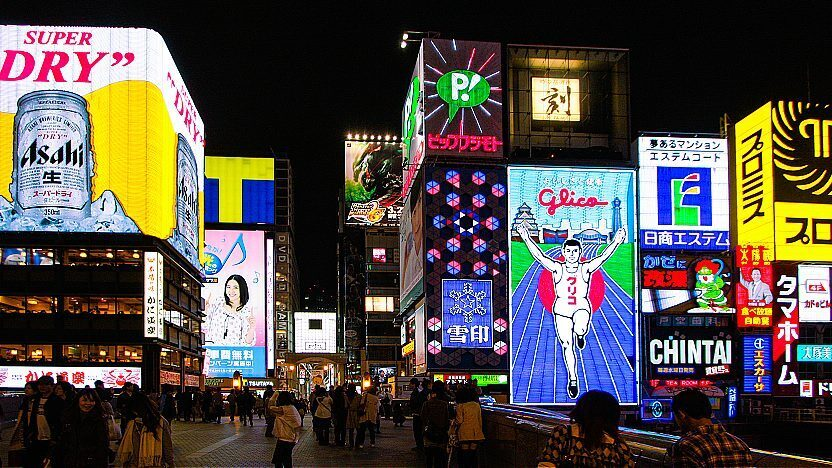
Another popular entertainment district in Osaka, Shinsaibashi is known for its high concentration of hostess clubs and cabarets. The covered shopping arcade that runs through the heart of the district transitions into nightlife territory after dark, with bars, clubs, and fuzoku establishments scattered throughout the side streets. Shinsaibashi tends to attract a slightly younger and more fashionable crowd than Namba.
Umeda
The Umeda district is a major commercial and entertainment area in Osaka, and is known for having a variety of fuzoku establishments, including soap lands and pink salons.
Dotonbori
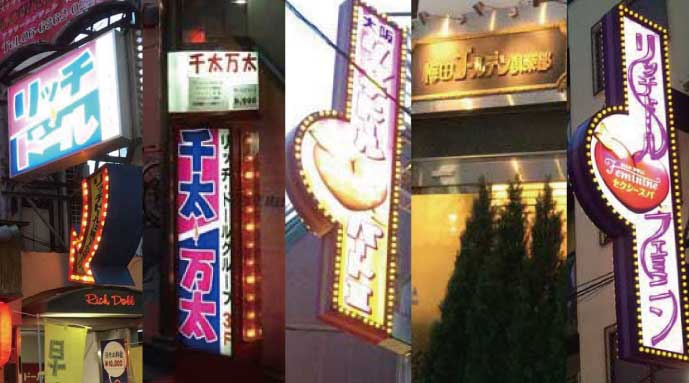
Known for its vibrant atmosphere and large concentration of restaurants and entertainment establishments, Dotonbori is another popular area for fuzoku in Osaka.
What truly sets Osaka apart from Tokyo is the attitude. Osaka people are famously more direct, more humorous, and less concerned with formality than their Tokyo counterparts. This cultural difference extends to the fuzoku industry. Transactions tend to be more straightforward, the atmosphere less stiff, and the overall experience more relaxed. For visitors who find Tokyo's rigid service protocols intimidating, Osaka can feel considerably more welcoming -- even if the language barrier remains a challenge.
Kyoto: Traditional City, Discreet Scene
Kyoto, a historic city known for its temples, shrines, and cultural heritage, is known for having a more traditional and reserved attitude towards adult entertainment, with fewer fuzoku establishments compared to other regions.
However, the city still has a small but thriving fuzoku industry catering to local and tourist demand.
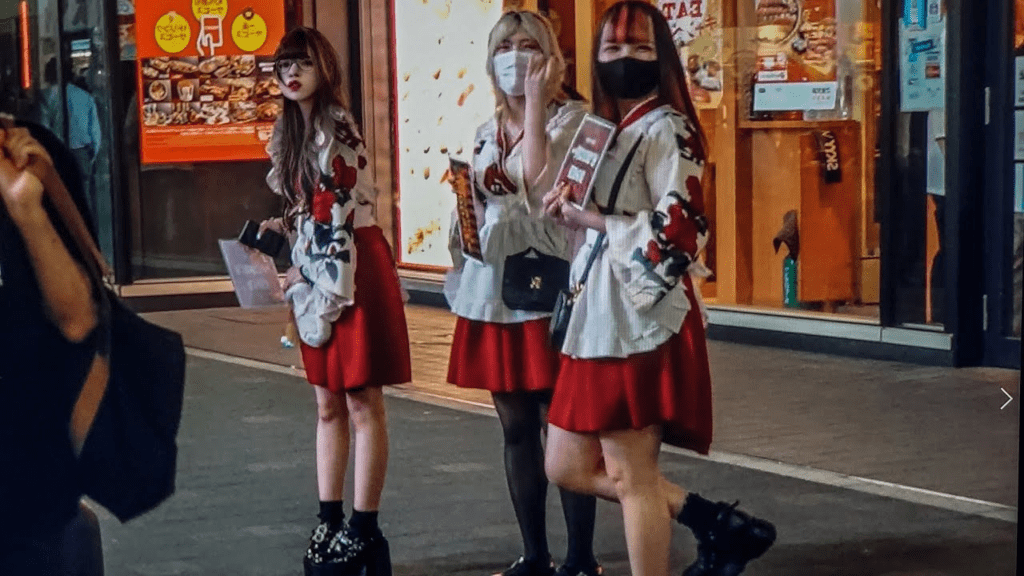
The fuzoku industry in Kyoto, Japan is known for having a more traditional and conservative attitude towards adult entertainment compared to other regions such as Tokyo or Osaka.
The city has a smaller number of fuzoku establishments, reflecting local attitudes and demand. Some areas in Kyoto are known for having a more traditional atmosphere, and fuzoku establishments in these areas are often more discreet and less flamboyant compared to those found in other regions.
Kyoto's adult entertainment scene is dominated by delivery health services rather than walk-in venues. The city has very few physical fuzoku shops compared to its population, and those that exist tend to be tucked away in nondescript buildings with minimal signage. This reflects both the conservative image that Kyoto carefully cultivates as a cultural capital and the practical reality that the city's tourism economy depends on maintaining a certain aesthetic.
Gion and Pontocho
The famous geisha districts of Gion and Pontocho deserve special mention, though they are not fuzoku in the modern sense. These areas are home to traditional teahouses and ochaya where geiko (Kyoto's term for geisha) and maiko (apprentice geiko) entertain guests with conversation, music, and dance. Access to these establishments typically requires an introduction from an existing patron, and the experience is cultural and social rather than sexual. Visitors sometimes confuse Kyoto's traditional entertainment with the broader fuzoku industry, but they operate in entirely separate worlds.
Foreigner Access in Kyoto
Foreigner accessibility in Kyoto is very limited. The delivery health services that form the backbone of the local scene cater almost exclusively to Japanese-speaking clients. The city does not have an equivalent of Tokyo's Kabukicho or Roppongi where a concentration of foreign visitors has created demand for English-friendly services. Visitors to Kyoto who are interested in fuzoku services would generally be better served making a day trip to Osaka, which is only 30 minutes away by express train and offers a far wider range of foreigner-accessible options.
It is important to note that while Kyoto's fuzoku industry is smaller compared to other regions, local laws and regulations still apply and must be respected. It is always advisable to research specific establishments and local laws and customs before visiting.
Fukuoka, Sapporo, Nagoya Highlights
Beyond the big three of Tokyo, Osaka, and Kyoto, several other major Japanese cities have distinctive adult entertainment scenes worth understanding. Each reflects its local culture, geography, and economic conditions in different ways.
Fukuoka: Nakasu and the Compact Scene
The fuzoku industry in Fukuoka, Japan is known for having a lively and energetic atmosphere, with a more relaxed attitude towards adult entertainment compared to other regions such as Kyoto or Hokkaido.
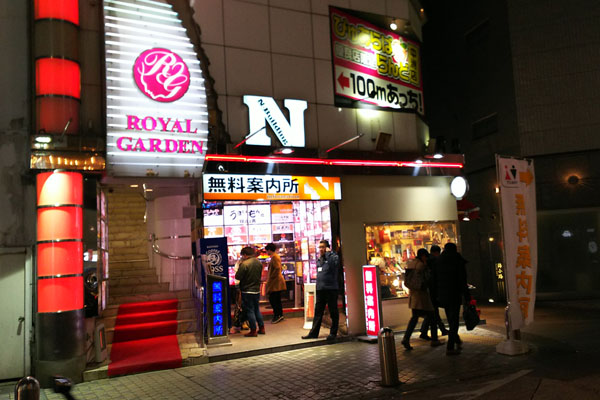
The city has a similar range of fuzoku establishments as those found in Tokyo or Osaka, including hostess clubs, pink salons, soap lands, cabarets, and others.
Some areas in Fukuoka, such as the Nakasu district, are known for having a high concentration of fuzoku establishments and a more permissive atmosphere.
Nakasu is built on a narrow island between two rivers, making it one of the most geographically compact entertainment districts in Japan. Despite its small size, the density of venues is remarkable -- neon signs line both sides of every street, and you can walk the entire district in under twenty minutes. What makes Fukuoka special for visitors is the combination of nightlife and food culture. The famous yatai (street food stalls) along the river are just steps away from the entertainment district, making it easy to combine a night of exploration with some of the best ramen and yakitori in Japan.
Fukuoka has a growing foreigner-friendly scene, partly driven by the city's increasing popularity with tourists from South Korea, Taiwan, and Southeast Asia. Several delivery health services in the area have begun offering basic English support, though the options are still far fewer than in Tokyo. Check our venue directory for current foreigner-friendly listings.
It is important to note that while Fukuoka's fuzoku industry is significant and caters to local and tourist demand, local laws and regulations still apply and must be respected. It is always advisable to research specific establishments and local laws and customs before visiting.
Sapporo: Susukino Mega-District
Hokkaido, the northernmost prefecture in Japan, is known for having a more conservative attitude towards adult entertainment, with fewer fuzoku establishments compared to other regions such as Tokyo or Osaka.
However, the fuzoku industry in Hokkaido is still significant and caters to local demand.
The prefecture is known for having fewer fuzoku establishments, reflecting local attitudes and demand. However, the fuzoku industry in Hokkaido is still significant and caters to local demand.
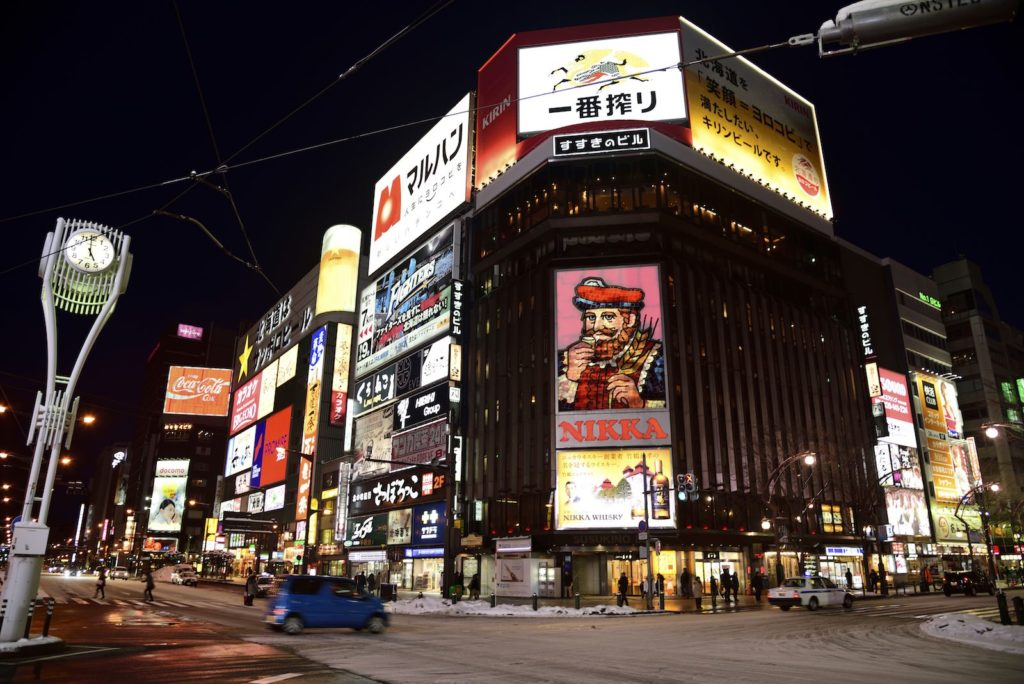
Sapporo's Susukino district is one of the largest entertainment areas in Japan outside of Tokyo and Osaka, and it punches well above its weight for a city of Sapporo's size. The district stretches across several blocks and contains an extraordinary concentration of bars, restaurants, hostess clubs, and fuzoku venues per square kilometer. The sheer density rivals Kabukicho in some respects, though the overall scale is smaller.
Sapporo's cold winters -- temperatures regularly drop below minus ten degrees Celsius -- drive almost all entertainment activity indoors year-round. This has shaped the local fuzoku culture around indoor venues and delivery health services rather than the street-based touts and outdoor signage common in warmer cities. The result is a scene that can feel somewhat hidden to the uninitiated, but is very active once you know where to look.
Pricing in Sapporo is notably lower than Tokyo, generally comparable to Osaka and Fukuoka levels. The city also has an interesting seasonal pattern: during major events like the Sapporo Snow Festival in February and the Yosakoi Soran Festival in June, the entertainment district sees a surge of domestic tourists, and some venues bring in temporary staff to handle the increased demand.
It is important to note that while Hokkaido's fuzoku industry is smaller compared to other regions, local laws and regulations still apply and must be respected. It is always advisable to research specific establishments and local laws and customs before visiting.
Nagoya: Conservative and Delivery-Focused
Nagoya, the third largest city in Japan, is known for having a large number of pink salons and cabarets, reflecting local customer preferences and demand.
The city is also known for having a more relaxed attitude towards adult entertainment compared to other regions in Japan.
The fuzoku industry in Nagoya, Japan is known for having a large number of pink salons and cabarets, reflecting local customer preferences and demand.
The city is also known for having a more relaxed attitude towards adult entertainment compared to other regions in Japan, with a less conservative atmosphere.
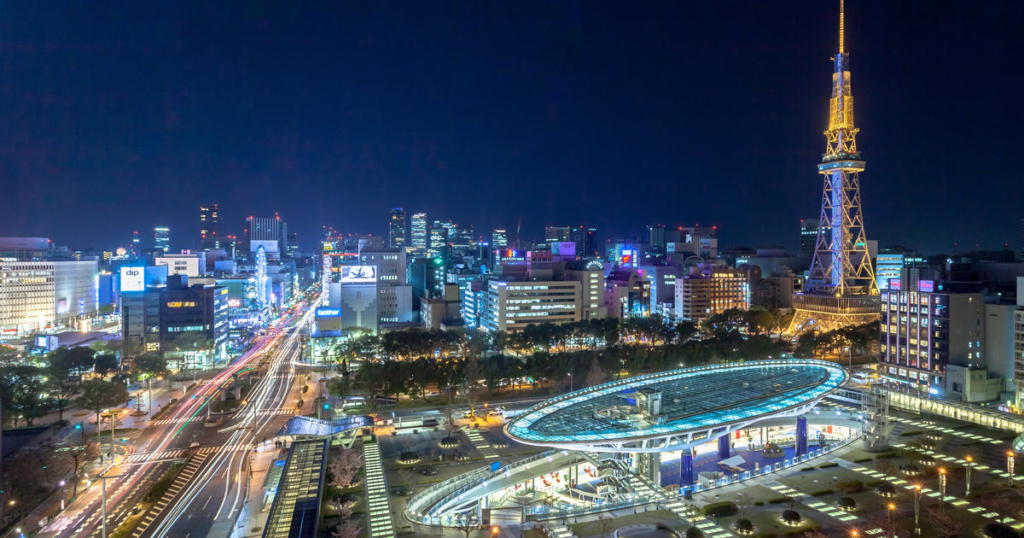
Nagoya's main entertainment district is Sakae, a broad commercial area that mixes mainstream shopping and dining with pockets of adult entertainment. Compared to Kabukicho or Nakasu, Sakae feels less like a dedicated red-light district and more like a normal commercial neighborhood that happens to contain fuzoku venues. This reflects Nagoya's reputation as a more conservative, business-oriented city -- the population is large, but the culture tends toward the practical and understated.
For foreigners, Nagoya is one of the more challenging cities. Very few venues accept non-Japanese customers, and English-language support is essentially nonexistent. The city's fuzoku scene caters almost entirely to the large local population of salarymen working in Nagoya's manufacturing and automotive industries. Delivery health is the most viable option for foreign visitors, but even then, expect to encounter language barriers and potential refusals.
However, it is important to note that while Nagoya's fuzoku industry is significant and caters to local and tourist demand, local laws and regulations still apply and must be respected. It is always advisable to research specific establishments and local laws and customs before visiting.
Best Region for Your Interests
Choosing which Japanese city to prioritize for adult entertainment depends heavily on your specific interests, budget, and comfort level with the language barrier. Here is a quick decision matrix based on the most common priorities visitors have.
Budget-Conscious Visitors
If your primary concern is getting the most value for your money, head to Osaka or Sapporo. Both cities offer pricing that runs 20 to 30 percent below Tokyo across most fuzoku categories. Osaka has the additional advantage of being a major food destination where you can eat extraordinarily well for very little money, keeping your overall trip costs down. Sapporo is ideal if you are already planning a Hokkaido trip for skiing, hot springs, or the Snow Festival.
Foreigner-Friendly Options
If foreigner accessibility is your top priority, Tokyo is the clear winner. Ikebukuro and Kabukicho have the highest concentration of venues that accept foreign customers, and several delivery health services in these areas offer English-language booking. Roppongi is the most English-friendly overall, though you pay a significant premium for the convenience. For more details on Tokyo options, browse our venue directory.
Soapland Experience
For soaplands specifically, Tokyo's Yoshiwara district remains the gold standard in terms of variety and prestige, though it is also the most expensive and the most selective about accepting foreigners. Osaka offers a more accessible and affordable soapland scene. Refer to our fuzoku categories guide for a full breakdown of what to expect from soapland services.
Pink Salons
Pink salons are most concentrated and most accessible in Tokyo, specifically in Ikebukuro and Kabukicho. These areas have the widest selection and the most competitive pricing within Tokyo. See our Tokyo pink salon guide for detailed recommendations and pricing.
Cultural Experience Plus Nightlife
If you want to combine genuine cultural exploration with adult entertainment, Osaka is the strongest choice. The city offers world-class food, a distinctive local culture that differs markedly from Tokyo, and a fuzoku scene that is large enough to offer real variety while being more relaxed and less intimidating than the capital. You can spend your days exploring Osaka Castle, eating takoyaki in Shinsekai, and visiting temples, then transition to the nightlife districts in the evening.
Off the Beaten Path
For travelers who have already visited Tokyo and Osaka and want something different, Fukuoka and Sapporo both offer distinctive scenes that reflect their local character. Fukuoka's compact Nakasu district paired with the city's famous food stall culture makes for a memorable trip. Sapporo's Susukino is impressively large for a regional city and offers a completely different atmosphere from anything in Honshu. Both cities are also excellent gateways to more rural parts of Japan -- Kyushu's hot spring towns from Fukuoka, and Hokkaido's national parks from Sapporo.
Essential Japanese Phrases
For a broader look at what is available across the country, including street-level information for each region, see our nationwide street guide.