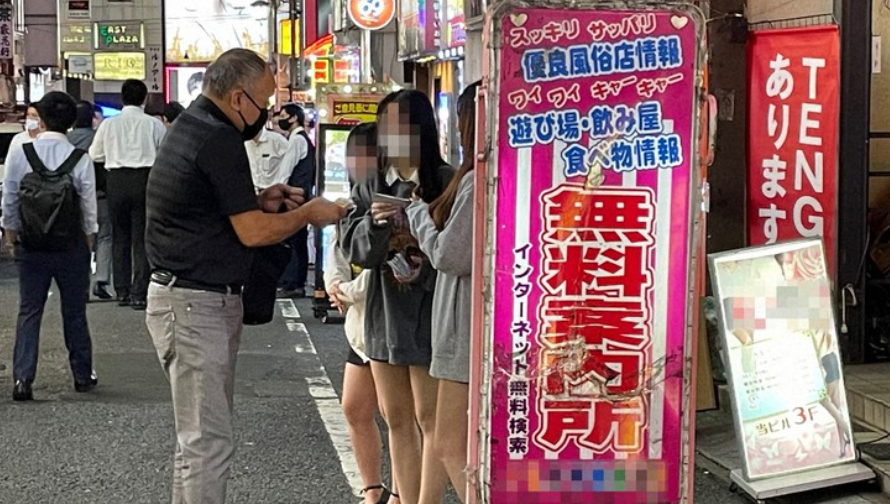
Have you ever heard of the term "tachinbo"? Unlike the licensed sectors of the Japanese adult entertainment industry, street-based sex work operates outside the regulated system and is considered illegal.
What is Tachinbo (Street-Based Sex Work)
Not part of the fuzoku system
Although many people associate tachinbo with the broader sex industry, these individuals are not fuzokujo (licensed sex industry workers).
They are not affiliated with any establishment, nor are they managed by an organization. They operate as independent individuals.
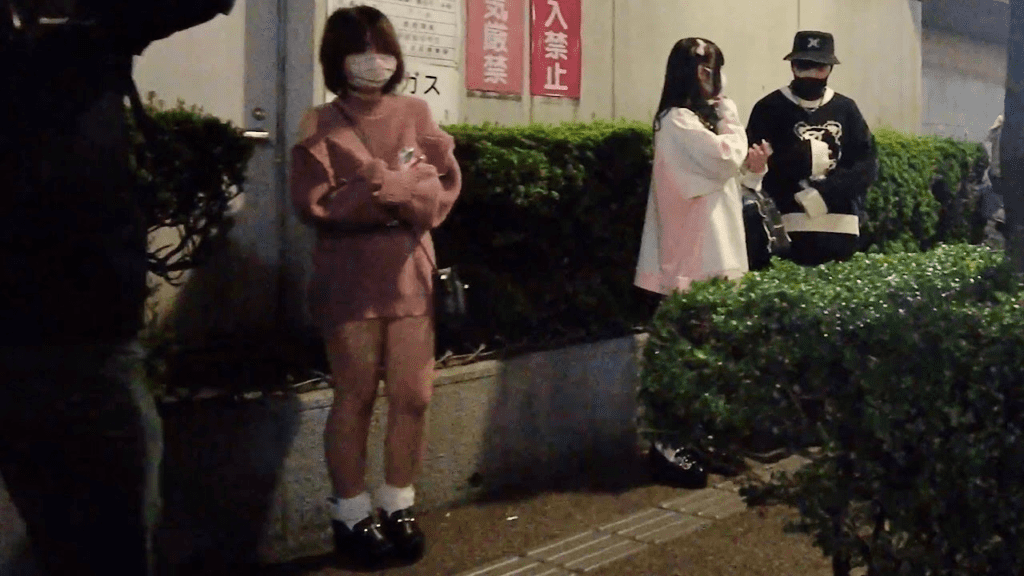
As a result, terms and pricing are negotiated on an individual basis.
Because these workers operate outside the licensed system, their activities are generally classified as prostitution, which is illegal under Japanese law.
Engaging in these transactions carries legal risk for all parties involved, as it falls outside the permitted framework of Japan's adult entertainment regulations.
Demographics of workers
According to various reports, a significant proportion of women involved in tachinbo in Japan are foreign nationals.
Reports also indicate that underage individuals have been identified among street-based workers, which is a serious legal and humanitarian concern.
Involvement with underage individuals carries severe criminal penalties under Japanese law.
Many of the foreign workers have limited Japanese language ability, which contributes to their social marginalization and vulnerability.

Health and safety risks
A significant concern with unregulated street-based sex work is the absence of health screening protocols. Unlike licensed establishments, there are no mandatory health checks or safety requirements.
The lack of protective measures means that both workers and clients face elevated risks of sexually transmitted infections. Public health experts emphasize the importance of regular STI testing for anyone involved in these encounters.
District Overview: Kinshicho
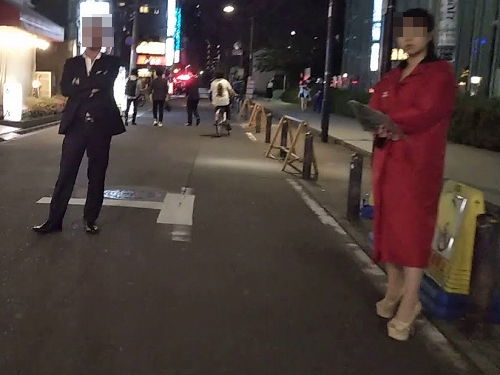
Tachinbo activity exists throughout Japan, with the highest concentration in Tokyo.
Reports indicate that foreign street-based workers migrated to Kinshicho in part due to the crackdown on touting in Shinjuku.
The south exit area in particular has been affected, with the proliferation of unregulated activity impacting the reputation of the area and even affecting properly licensed establishments.
Reports suggest that some foreign hostess workers supplement their income through street-based work in this area.
Law enforcement presence in the area has been increasing as local authorities respond to community concerns.
District Overview: Machida
Machida in southwestern Tokyo has also been documented as an area with street-based sex work activity.
Activity has been reported near the prefectural border close to the love hotel district.
The border location between Tokyo and Kanagawa prefectures has historically made coordinated law enforcement more challenging, which has contributed to the presence of unregulated activity in the area.
Both Japanese and foreign nationals have been documented working in this area, with reports of Chinese nationals being particularly visible.
District Overview: Uguisudani
Uguisudani has a documented history of street-based sex work, with workers spanning a wide range of age groups.
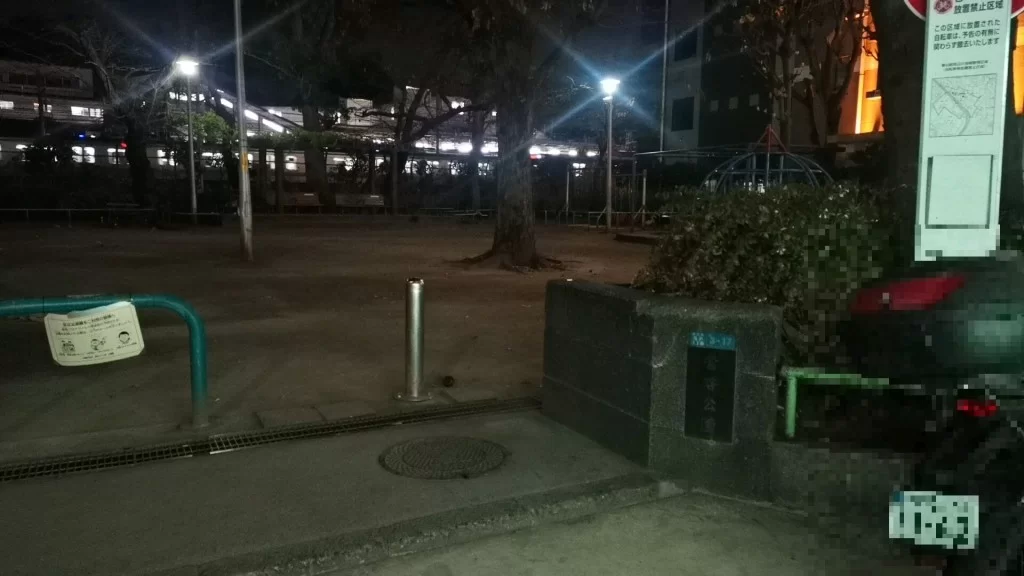
The area has historically attracted older residents and workers, contributing to the demographic mix of street-based workers in the district.
Street-based workers in Uguisudani have been documented primarily in the love hotel district near the north exit of the station.

Common locations include areas along the railroad tracks, alley intersections, and near parks.
Recent reports indicate that many street-based workers in this area have shifted to finding clients through the internet and smartphone apps, reflecting broader trends in the industry.
District Overview: Ikebukuro
Street-based sex work activity in Ikebukuro has decreased significantly due to intensified police enforcement in recent years.
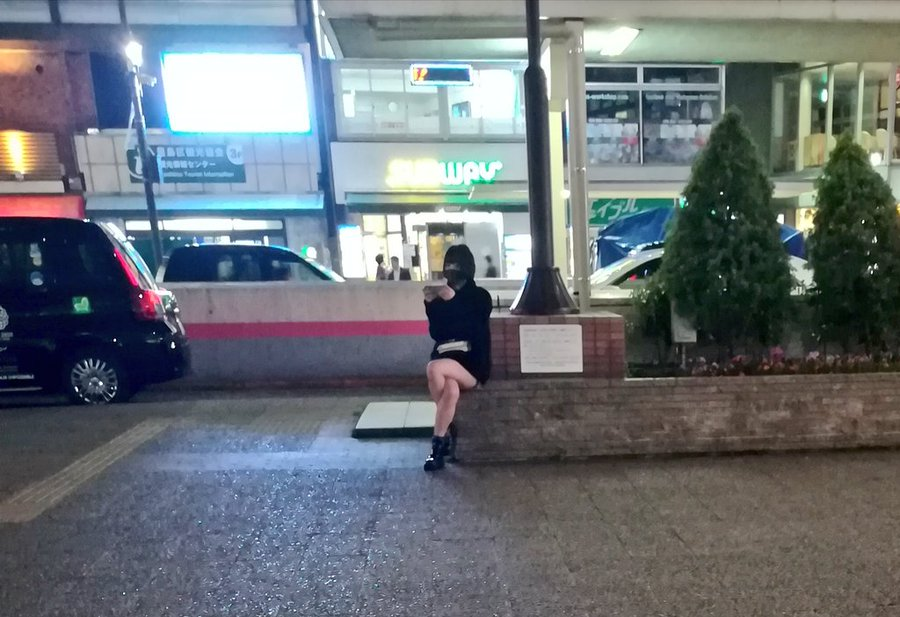
Despite reduced visibility, some activity continues in the area. The demographics and motivations of street-based workers in Ikebukuro are reported to be more varied than in other districts.
As with other areas, law enforcement has increased monitoring and enforcement actions to address this activity.