The Evolution of Street in Japan
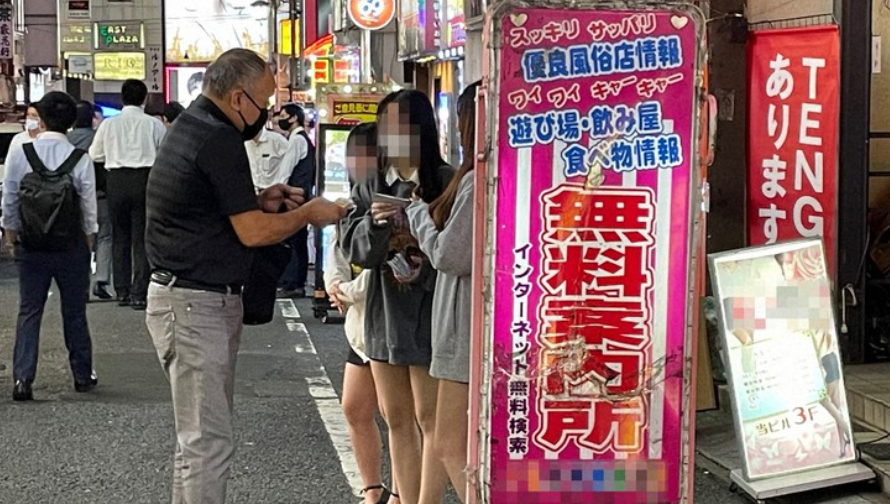
The term "streetwalker" is often used to describe sex workers who solicit clients in public places, typically on the streets. Aka, street-based worker. In Japanese also called tachinbo.
Quick Reference
- Japanese Term: 立ちんぼ (Tachinbo) / ストリートウォーカー (Street Walker)
- Historical Origins: Muromachi period (1336-1573)
- Known Hotspots: Kabukicho (Tokyo), Roppongi (Tokyo), Tobita Shinchi (Osaka)
- Legal Status: Solicitation is illegal; act itself not penalized
- Key Risks: STIs, scams, robbery, legal consequences, social stigma
This practice has a long history, dating back to the Muromachi period in Japan, a time when societal norms and regulations were vastly different from today.
Streetwalkers are typically women who stand on street corners or walk along certain routes, seeking potential male clients. They may be dressed in a way that signals their profession, or they may blend in with the crowd, making their identification challenging for the untrained eye.
The profession of a streetwalker is often associated with hardship and vulnerability, as these individuals are frequently exposed to various risks and dangers. Despite the challenges, some choose this line of work due to a lack of alternatives, while others may be coerced into it.
For a broader sociological overview of street-based sex work across the country, see our sociological overview of the phenomenon.
Decoding the Complexities of Prostitution Laws
In Japan, the legality of prostitution is a complex issue. While the act of prostitution itself is not penalized, any sexual acts involving monetary transactions are considered illegal. This means that while a person cannot be prosecuted simply for being a prostitute, they can be prosecuted for selling sexual services. This law does not apply to sexual acts between spouses or partners, but becomes illegal when performed with unspecified individuals. The Anti-Prostitution Law, enacted in 1956, criminalizes the act of intermediation, solicitation, and provision of a place for prostitution. This law aims to protect individuals from being exploited through prostitution and to maintain societal order. However, it's worth noting that there are certain loopholes in the law, and some businesses operate in the grey area, providing services that stop just short of explicit sexual acts.
Navigating the Risks: The Dangers of Engaging with Streetwalkers
Engaging with streetwalkers carries several risks. One of the most significant is the risk of contracting sexually transmitted diseases. As streetwalkers often have multiple clients, the chances of them carrying and transmitting such diseases are higher.
Another risk is falling into a "honey trap", a scam where the client is lured into a compromising situation and then blackmailed or robbed.
This could involve the client being led to a secluded area where accomplices of the streetwalker are waiting, or being filmed in a compromising situation without their knowledge. There's also the risk of legal repercussions, as buying sexual services is illegal in Japan.
Lastly, there's the risk of social stigma and damage to one's reputation, as involvement with streetwalkers is generally frowned upon by society.
Characteristics of Streetwalkers: Identifying the Unseen
Streetwalkers come from various backgrounds and have diverse characteristics. However, some common traits can be identified.
Many streetwalkers are women who have fallen on hard times, facing financial difficulties or personal crises.

They may be dressed provocatively to attract potential clients, but this is not always the case. Some streetwalkers blend in with the crowd, making them hard to identify.
They may operate alone or be controlled by a pimp who manages their work and takes a cut of their earnings. Streetwalkers may also exhibit certain behaviors to signal their availability to potential clients, such as standing in a particular spot for an extended period or making eye contact with passing men.
Understanding these characteristics can help in identifying streetwalkers, but it's important to remember that these are generalizations and may not apply to every individual.
Hotspots for Streetwalkers: Urban Entertainment Districts in Japan
Streetwalkers can often be found in major urban entertainment districts. These areas are typically bustling with activity and provide a steady stream of potential clients. In Japan, cities like Tokyo and Osaka are known to have a high presence of streetwalkers.
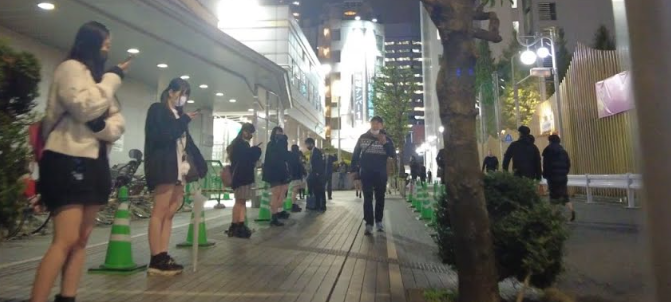
In Tokyo, areas like Kabukicho in Shinjuku and Roppongi are often mentioned. These areas are filled with bars, clubs, and other entertainment venues, making them popular spots for streetwalkers to find clients. For a detailed look at the Shinjuku area specifically, refer to our Shinjuku tachinbo guide.
Similarly, in Osaka, areas like Tobita Shinchi are known for their high concentration of streetwalkers. However, it's important to note that the presence of streetwalkers in these areas does not mean that their activities are legal or accepted.
Law enforcement agencies regularly patrol these areas, and both streetwalkers and their clients can face legal repercussions if caught. For a broader picture of where street work occurs across the country, see our nationwide guide covering all major areas.
The Art of Negotiation: Interacting with Streetwalkers
When dealing with streetwalkers, negotiation is a crucial aspect. The first step is to approach the streetwalker and express interest. This should be done discreetly to avoid attracting unwanted attention.

Once the streetwalker has acknowledged the interest, the negotiation can begin. This typically involves discussing the type of services desired and the price. It's important to be clear and specific during this stage to avoid misunderstandings later on.
The negotiation should also be respectful, keeping in mind that streetwalkers are individuals with their own rights and boundaries.
If an agreement is reached, the client and the streetwalker will then decide on a location for the services to be provided. This could be a nearby hotel, a love hotel, or another suitable location.
Understanding the Economics of Streetwalking
The economics of streetwalking are influenced by various factors, including the specific services requested, the individual streetwalker, the location, and the time of day.
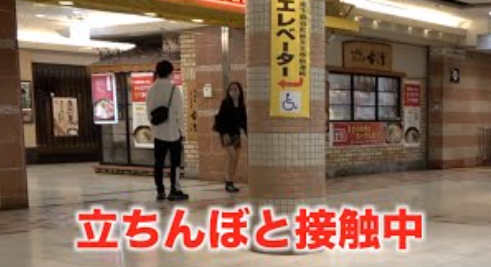
It's important to remember that while negotiation is common, attempts to excessively haggle or exploit the streetwalker are unethical and disrespectful.
Exploring Alternatives: Safer and Legal Options
The blog post also discusses safer and legal alternatives to using the services of a streetwalker. These include forming consensual sexual relationships with partners, using legal adult entertainment services, and exploring online dating platforms.
These alternatives offer safer and more socially acceptable ways of fulfilling sexual desires. They also eliminate the risks associated with streetwalkers, such as the risk of contracting sexually transmitted diseases and the risk of legal repercussions.
Furthermore, these alternatives promote healthier and more respectful attitudes towards sex and relationships. They emphasize the importance of consent, respect, and mutual enjoyment, values that are often overlooked in the context of streetwalkers.
For a comprehensive look at all legal adult entertainment options available in Japan, see our complete Japan guide. You can also browse our venue directory for foreigner-friendly establishments with clear pricing and English support.
Please note that the blog post does not endorse or promote illegal activities.
Japanese Media and Public Perception
Understanding how Japanese society perceives street-based sex work requires examining the concept of tatemae versus honne — the distinction between public appearance and private reality. This cultural framework shapes nearly every aspect of how streetwalking is discussed, reported on, and tolerated in Japan. The general attitude can be summarized as: everyone knows it exists, but it should remain in the shadows.
Media Coverage and Investigative Reporting
Japanese media covers street work through several distinct channels, each serving a different audience and purpose. Major news outlets like NHK and Asahi Shimbun tend to cover the topic primarily when it intersects with criminal cases, trafficking arrests, or public safety concerns. Their reporting is generally restrained and focuses on the legal and welfare dimensions rather than sensationalism.
Weekly magazines, however, take a far more detailed approach. Publications like Shukan Bunshun, Shukan Shincho, and SPA! regularly run investigative features on the street work scene. These magazines send reporters to areas like Kabukicho and Okubo Park to document the current situation, interview workers, and analyze trends. Their reporting often includes detailed maps, price comparisons, and demographic breakdowns that mainstream news outlets would never publish. While sometimes criticized for being voyeuristic, these publications have also exposed exploitative operations and trafficking networks, leading to police investigations.
Late-night television has also addressed the topic. Programs like "Asa Made Nama Terebi" (a late-night debate show on TV Asahi) have hosted panel discussions on the sex industry, including street work, featuring sociologists, former workers, and policy advocates. These discussions tend to be more nuanced than one might expect, often focusing on structural causes like poverty and the inadequacy of social safety nets rather than moral condemnation.
Cultural Representations
Street work has appeared in Japanese popular culture across multiple mediums. Manga series and novels set in entertainment districts frequently include streetwalker characters, sometimes as tragic figures, other times as resilient survivors navigating a difficult world. Films by directors like Takashi Miike have depicted the darker elements of the street scene, while more mainstream productions tend to reference it obliquely.
Documentary filmmakers have produced several notable works examining the lives of street workers in areas like Tobita Shinchi, Yoshiwara, and Kabukicho. These documentaries, often aired on late-night television or distributed through independent channels, provide an unfiltered look at daily realities that news coverage typically omits.
Public Opinion: Pragmatic Tolerance
Japanese public opinion on street work reflects a pragmatic rather than moralistic perspective. Surveys conducted by organizations like the Japan Institute of Life Insurance and academic researchers consistently show that the majority of Japanese people view street-based sex work as a social problem to be managed rather than a moral failing to be condemned. The primary concerns expressed by the public are safety, public order, and the potential involvement of organized crime — not the morality of sex work itself.
This pragmatic tolerance has limits, however. When street work becomes visible — when it encroaches on residential areas, when workers solicit too aggressively, or when foreign tourists document and publicize it — public patience erodes quickly. Neighborhood associations in areas like Shinjuku and Uguisudani have organized petition campaigns demanding increased police patrols, and these campaigns typically succeed in temporarily pushing activity to less visible locations.
For more context on how Tokyo's specific districts handle these dynamics, see our Tokyo street guide.
Police Enforcement Strategies
Japanese police approach street-based sex work with a strategy that prioritizes public order and anti-organized crime objectives over individual moral enforcement. Understanding these enforcement patterns is essential context for anyone studying the Japanese sex industry.
Regular Patrol Patterns
Police maintain a visible presence in known street work areas through uniformed foot patrols and koban (police box) officers. In Kabukicho, for example, uniformed officers walk established routes through the main entertainment streets at regular intervals, particularly between 10 PM and 2 AM. This visible policing serves a deterrent function — when officers pass through, street workers temporarily relocate or adopt inconspicuous behavior, only to return once the patrol moves on. This pattern of temporary displacement has been documented by researchers and journalists for decades.
Plainclothes Operations
Beyond visible patrols, police departments in major cities deploy plainclothes officers to monitor street activity and gather intelligence. These operations target organized networks rather than individual workers. Undercover officers may pose as potential clients to identify patterns, document regular workers, and trace connections to criminal organizations. The information gathered during these operations often contributes to larger investigations into yakuza involvement, immigration violations, or human trafficking networks.
Area Sweeps and Escalation
Police conduct intensified "area sweeps" in response to specific triggers: public complaints from neighborhood associations, upcoming major events (such as international conferences or Olympic-related activities), media exposure that embarrasses local authorities, or intelligence suggesting increased organized crime activity. During these sweeps, enforcement becomes significantly more aggressive, with multiple officers deployed to specific blocks and increased arrests.
The penalty escalation for street workers typically follows a predictable pattern. First offenses result in a verbal warning and personal information being recorded. Second encounters lead to a formal citation and potential questioning at the local police station. Repeated offenses or evidence of organized involvement results in arrest under the Anti-Prostitution Law's solicitation provisions. Clients, when caught, generally receive warnings unless the encounter involves a minor or is connected to a trafficking investigation.
Cooperation with Welfare Services
A notable aspect of Japanese enforcement is the cooperation between police and social welfare organizations. Since the Anti-Prostitution Law explicitly frames sex work as a welfare issue, police are directed to connect arrested workers with support services, including the Women's Consulting Centers (fujin sodan-jo) that exist in every prefecture. These centers provide temporary housing, counseling, and assistance with employment and childcare. The effectiveness of this system varies significantly by region — urban centers like Tokyo and Osaka have more robust services, while rural areas may offer minimal support.
Surveillance Technology
The proliferation of security cameras in Japanese urban areas has had a measurable impact on street work. Kabukicho alone has hundreds of municipal and private security cameras, and their footage is accessible to police. This surveillance infrastructure has pushed some street activity into areas with less camera coverage, including residential side streets and park areas. Workers and clients alike are aware of camera placements, and this awareness shapes where and how encounters occur.
Economic Factors and Demographics
The economic underpinnings of street work in Japan are inseparable from broader structural issues in the Japanese economy. Understanding these factors provides necessary context for any analysis of why individuals enter and remain in street-based work.
The Gender Wage Gap
Japan consistently ranks among the worst-performing developed nations for gender pay equity. Women in Japan earn approximately 75% of what men earn for comparable work, a gap that has improved only marginally over the past two decades despite government initiatives like "Womenomics." This wage disparity is compounded by the prevalence of non-regular employment among women — over 50% of working women hold part-time or contract positions with lower pay, fewer benefits, and minimal job security. For women facing financial crises, the gap between what they can earn through legitimate employment and what they need to survive can be substantial.
Single Mother Poverty
Japan's single mother poverty rate is among the highest in the OECD, hovering around 50%. This statistic is directly relevant to street work demographics. Social welfare benefits for single mothers, while available, are often insufficient to cover the high cost of living in urban areas. The average monthly welfare payment for a single-mother household in Tokyo covers rent and basic necessities but leaves little margin for emergencies, childcare, or educational expenses. Researchers at Waseda University and other institutions have documented the link between single-parent poverty and entry into sex work, including street-based work.
Student Debt and Young Workers
Rising tuition costs and the expansion of student loan programs have created financial pressure on young Japanese women. While Japan's student debt crisis is less severe than that of the United States, the combination of loans, high urban living costs, and limited part-time wage rates (typically 1,000 to 1,200 yen per hour for standard jobs) creates conditions where some young women turn to compensated dating (enjo kosai), papa-katsu (sugar dating), or street work to manage their finances. The term "gakuhi fuzoku" (working in the sex industry to pay tuition) has entered common usage, reflecting the normalization of this pathway among certain demographics.
Age Demographics
Street workers in Japan span a wide age range, but observable patterns exist. Researchers and journalists who have studied areas like Kabukicho and Okubo Park report that the visible street population includes two distinct groups: younger women (late teens to early thirties) who may cycle in and out of street work depending on financial needs, and older women (forties and above) for whom street work has become a longer-term occupation. The latter group often faces the most difficult circumstances, as age reduces their earning potential in both legitimate employment and the regulated fuzoku industry, which typically has upper age limits for workers.
Housing Instability
Housing plays a critical role in the economics of street work. Japan's rental market requires substantial upfront costs — typically first month's rent, last month's rent, a security deposit, "key money" (a non-refundable gift to the landlord), and agency fees. These costs can total five to six months' rent, creating an insurmountable barrier for individuals living paycheck to paycheck. Net cafes (manga kissa) and capsule hotels serve as temporary housing for some street workers, but these arrangements are unstable and expensive on a per-night basis. The lack of a fixed address further limits access to employment and social services, creating a cycle that is difficult to escape.
Comparison with Fuzoku Earnings
Understanding why some workers choose unregulated street work over the legal fuzoku industry requires examining the economics of both options. Fuzoku establishments take a significant cut of worker earnings — typically 40% to 60% of the client fee. A delivery health worker might receive 15,000 to 25,000 yen from a 60-minute session priced at 30,000 to 50,000 yen. Street workers, operating independently, keep all of their earnings but typically charge lower rates (10,000 to 30,000 yen per session depending on location and services). However, they bear all costs and risks themselves, including hotel fees, health expenses, and the risk of arrest. Some workers alternate between fuzoku employment and independent street work depending on their circumstances and the availability of positions.
Impact of Technology
Technology has fundamentally reshaped the landscape of street-based sex work in Japan over the past decade. The shift from physical streets to digital platforms represents one of the most significant changes in the industry's modern history.
The Move from Streets to Screens
The visible presence of street workers in traditional hotspots has declined measurably since the mid-2010s, and technology is a primary driver. Workers who once relied on physical presence in entertainment districts now use smartphones and social media to connect with clients before any in-person meeting occurs. This shift has been documented by journalists covering areas like Kabukicho, where longtime observers note significantly fewer visible street workers compared to ten or fifteen years ago. The work has not disappeared — it has moved online.
Twitter/X as an Advertising Platform
Twitter (now X) occupies a unique position in Japan's adult service ecosystem. Unlike in many Western countries where platforms aggressively police adult content, Twitter/X remains widely used in Japan for advertising sexual services. Workers create accounts using pseudonyms, post availability schedules, list services and prices, and communicate with potential clients through direct messages. Hashtags like those related to specific neighborhoods or service types allow clients to search efficiently. The platform's relative anonymity and ease of use have made it the primary advertising channel for independent sex workers, including those who previously worked the streets.
Papa-Katsu and Dating Apps
The papa-katsu (sugar dating) phenomenon represents a significant gray area between conventional dating and transactional sex work. Dedicated apps and websites facilitate arrangements between (typically older, wealthier) men and (typically younger) women. While these platforms officially prohibit explicit sexual transactions, the reality is widely understood to be different. Papa-katsu has absorbed a portion of what would previously have been street-based work, offering a more discreet and socially acceptable framework for what are essentially paid encounters. The distinction between papa-katsu and street work lies primarily in presentation and technology rather than substance.
Delivery Health and the App Economy
The delivery health (deriheru) industry — legally registered outcall services — has expanded significantly through mobile apps and online booking systems. These platforms provide a legal, regulated alternative that has drawn some workers away from street-based activity. Modern delivery health services operate much like ride-sharing apps, with client reviews, worker profiles, real-time availability, and cashless payment options. For workers, these platforms offer regular clients, safety features (like driver transportation and check-in systems), and the legitimacy of legal employment. For clients, they offer convenience and reduced risk compared to street encounters.
Law Enforcement Challenges in the Digital Era
The migration of sex work to digital platforms presents significant challenges for Japanese law enforcement. Monitoring Twitter accounts, messaging apps, and online forums requires different skills and legal frameworks than patrolling physical streets. The National Police Agency has established cybercrime units that monitor online sex work activity, but the volume of content and the ease of creating new accounts make comprehensive enforcement impractical. Encrypted messaging apps like LINE and Telegram add another layer of difficulty, as communications between workers and clients occur in channels that are difficult to access even with warrants.
Worker Safety: Online Versus Street
The technology shift has created both benefits and risks for worker safety. On the positive side, workers can screen potential clients through online communication before meeting, share location information with trusted contacts, and avoid the physical dangers of standing on streets late at night. Some workers maintain blacklists of dangerous clients that are shared through private online communities.
However, online work introduces its own risks. Digital evidence (photos, messages, account histories) creates potential for blackmail and doxxing. Fake profiles and misrepresentation are common. The isolation of working alone without the informal support network that sometimes existed among street workers in shared territories can leave individuals more vulnerable. And the permanence of digital information means that a worker's history can follow them long after they leave the industry.
For those seeking to understand the full scope of Japan's adult entertainment landscape in light of these technological changes, our complete Japan guide provides an up-to-date overview of all sectors. For Tokyo-specific district details, see our Tokyo street guide and Shinjuku tachinbo guide.