<p>This article examines the sociological phenomenon of street-based sex workers in Japan, commonly known as "tachinbo." Many people have heard the term but may not understand the cultural and social context surrounding it.</p>The Social Circumstances Behind Street-Based Sex Work
One might ask why individuals choose street-based work over employment at licensed establishments. The reality is more complex than it appears, and understanding the underlying social factors is important for informed discussion of this issue.
Why Do People Engage in Street-Based Sex Work?
Many women involved in tachinbo face circumstances that leave them with limited alternatives. Common factors include:
Foreign nationals who face employment barriers due to visa restrictions or limited Japanese language ability.
Individuals who are unable to pass screening requirements at licensed establishments.
People experiencing financial hardship or social marginalization.
These socioeconomic factors drive individuals toward unregulated street-based work despite its significant risks.
Where Does Tachinbo Occur in Japan?
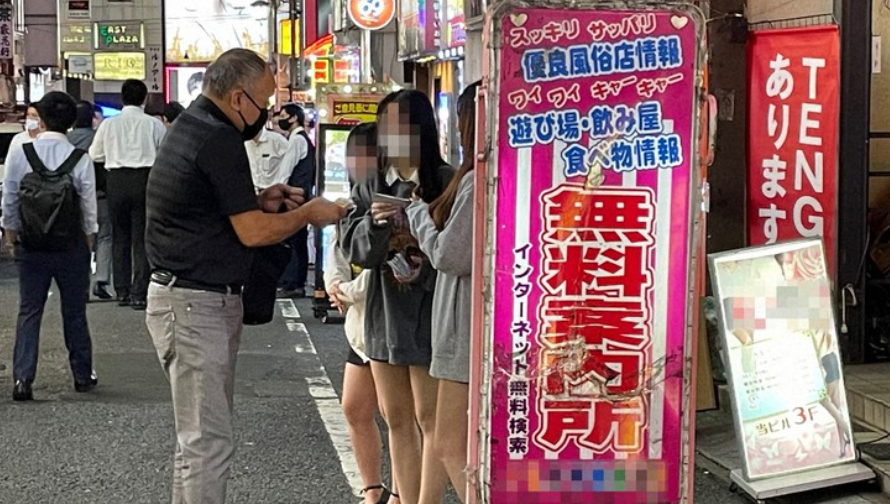
Street-based sex work is primarily concentrated in the entertainment districts of major cities, particularly Tokyo and Osaka.
In Tokyo, it has been documented in areas including Shinjuku (Kabukicho), Okubo, Ikebukuro, Uguisudani, Kamata, and Machida. In Osaka, areas include Umeda, Namba, Nihonbashi, Tennoji, and Kyobashi.
These locations tend to be near existing entertainment districts and love hotel areas.
Outside these urban areas, the phenomenon is relatively rare.
For more detailed regional information, see our related article:
Understanding Tachinbo in Tokyo: A District-by-District Overview
How Street-Based Transactions Typically Occur
Waiting for potential clients
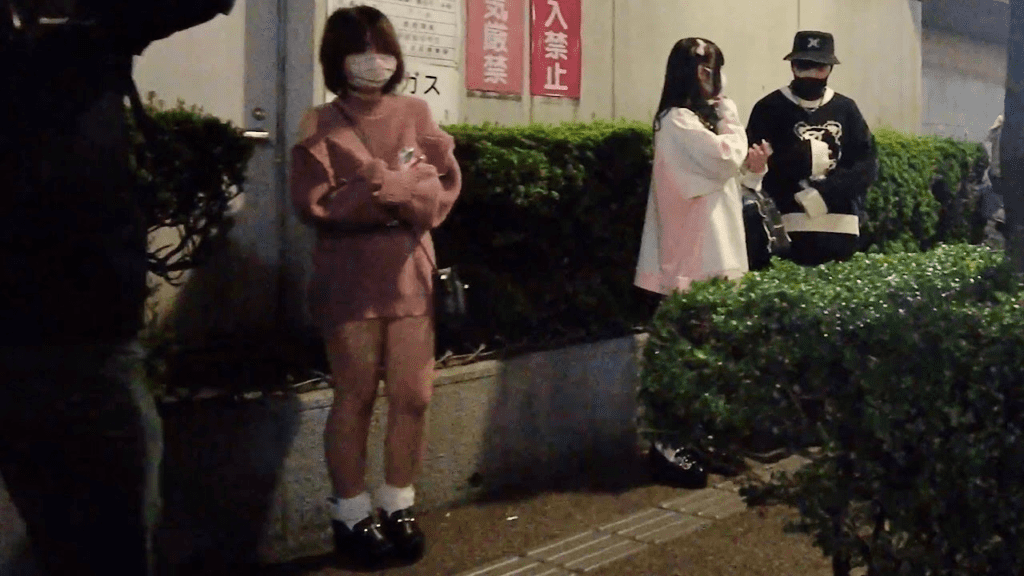
Street-based workers typically stand in visible locations within entertainment districts and wait to be approached. They may dress in ways designed to signal their availability to potential clients.
Negotiation process
When approached, terms are negotiated on the spot. This typically includes agreement on services, duration, and price. Both parties discuss boundaries and conditions before any arrangement proceeds.
Payment practices
Payment is typically collected in advance before services are rendered, as a standard practice in this type of informal arrangement.
The arrangement
Arrangements typically take place at nearby love hotels, which offer short-stay accommodations.
Documented Risks and Safety Concerns
Legal risk
Street-based solicitation is illegal under Japanese law. Both workers and clients face potential arrest. Law enforcement periodically conducts crackdowns in known areas.
Health risks
Without the health screening protocols that licensed establishments require, street-based sex work carries elevated risks of sexually transmitted infections. Workers in this sector often lack access to regular healthcare and testing.
Safety risks
Street-based sex workers are particularly vulnerable to violence and exploitation. Without the safety infrastructure provided by licensed establishments, individuals face significant personal safety risks. Reports of assault and coercion are documented concerns in this sector.
Exploitation concerns
Some street-based workers may be victims of trafficking or coercion. Japanese authorities and NGOs work to identify and support individuals in these situations. If you suspect trafficking, contact local law enforcement or support organizations.