Have you ever heard of the term "tachinbo"? Unlike the licensed sectors of the Japanese adult entertainment industry, street-based sex work operates outside the regulated system and is considered illegal. This guide provides a district-by-district overview of tachinbo activity across Tokyo, covering the legal framework, associated risks, and safer alternatives available to visitors. For a broader perspective on this topic across the country, see our nationwide street guide.
Quick Reference
- Price Range: ¥10,000 – ¥30,000 (plus love hotel ¥3,000-7,000)
- Main Areas: Kabukicho, Kinshicho, Uguisudani, Ikebukuro
- Foreigner-Friendly: Limited -- language barriers common
- Japanese Required: Basic to intermediate for negotiation
- Legal Status: Illegal -- carries risk of arrest, fines, and deportation
What is Tachinbo (Street-Based Sex Work)
Not part of the fuzoku system
Although many people associate tachinbo with the broader sex industry, these individuals are not fuzokujo (licensed sex industry workers).
They are not affiliated with any establishment, nor are they managed by an organization. They operate as independent individuals.
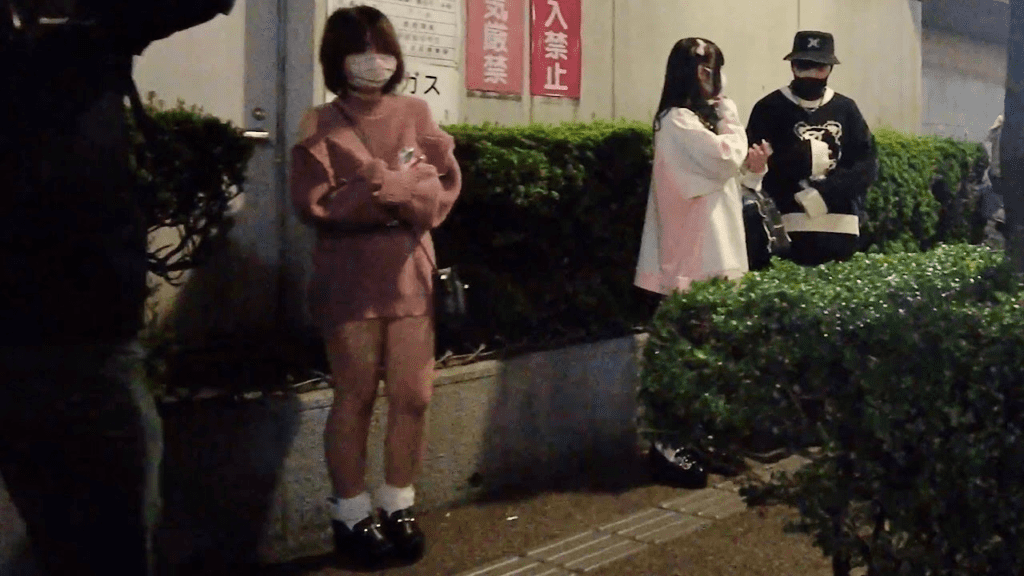
As a result, terms are negotiated on an individual basis.
Because these workers operate outside the licensed system, their activities are generally classified as prostitution, which is illegal under Japanese law. For a detailed breakdown of how the tachinbo scene works, refer to our comprehensive streetwalker guide.
Engaging in these transactions carries legal risk for all parties involved, as it falls outside the permitted framework of Japan's adult entertainment regulations.
Demographics of workers
According to various reports, a significant proportion of women involved in tachinbo in Japan are foreign nationals.
Reports also indicate that underage individuals have been identified among street-based workers, which is a serious legal and humanitarian concern.
Involvement with underage individuals carries severe criminal penalties under Japanese law.
Many of the foreign workers have limited Japanese language ability, which contributes to their social marginalization and vulnerability.

Health and safety risks
A significant concern with unregulated street-based sex work is the absence of health screening protocols. Unlike licensed establishments, there are no mandatory health checks or safety requirements.
The lack of protective measures means that both workers and clients face elevated risks of sexually transmitted infections. Public health experts emphasize the importance of regular STI testing for anyone involved in these encounters.
District Overview: Kinshicho
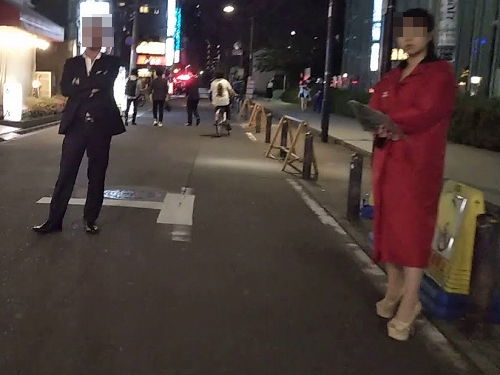
Tachinbo activity exists throughout Japan, with the highest concentration in Tokyo.
Reports indicate that foreign street-based workers migrated to Kinshicho in part due to the crackdown on touting in Shinjuku.
The south exit area in particular has been affected, with the proliferation of unregulated activity impacting the reputation of the area and even affecting properly licensed establishments.
Reports suggest that some foreign hostess workers supplement their income through street-based work in this area.
Law enforcement presence in the area has been increasing as local authorities respond to community concerns.
District Overview: Machida
Machida in southwestern Tokyo has also been documented as an area with street-based sex work activity.
Activity has been reported near the prefectural border close to the love hotel district.
The border location between Tokyo and Kanagawa prefectures has historically made coordinated law enforcement more challenging, which has contributed to the presence of unregulated activity in the area.
Both Japanese and foreign nationals have been documented working in this area, with reports of Chinese nationals being particularly visible.
District Overview: Uguisudani
Uguisudani has a documented history of street-based sex work, with workers spanning a wide range of age groups.
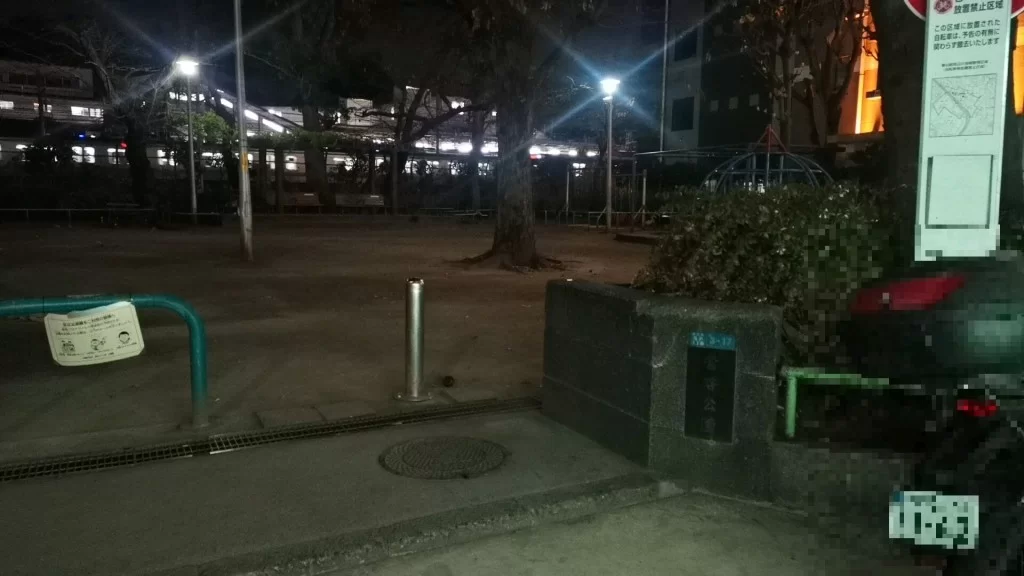
The area has historically attracted older residents and workers, contributing to the demographic mix of street-based workers in the district.
Street-based workers in Uguisudani have been documented primarily in the love hotel district near the north exit of the station.

Common locations include areas along the railroad tracks, alley intersections, and near parks.
Recent reports indicate that many street-based workers in this area have shifted to finding clients through the internet and smartphone apps, reflecting broader trends in the industry.
District Overview: Ikebukuro
Street-based sex work activity in Ikebukuro has decreased significantly due to intensified police enforcement in recent years.
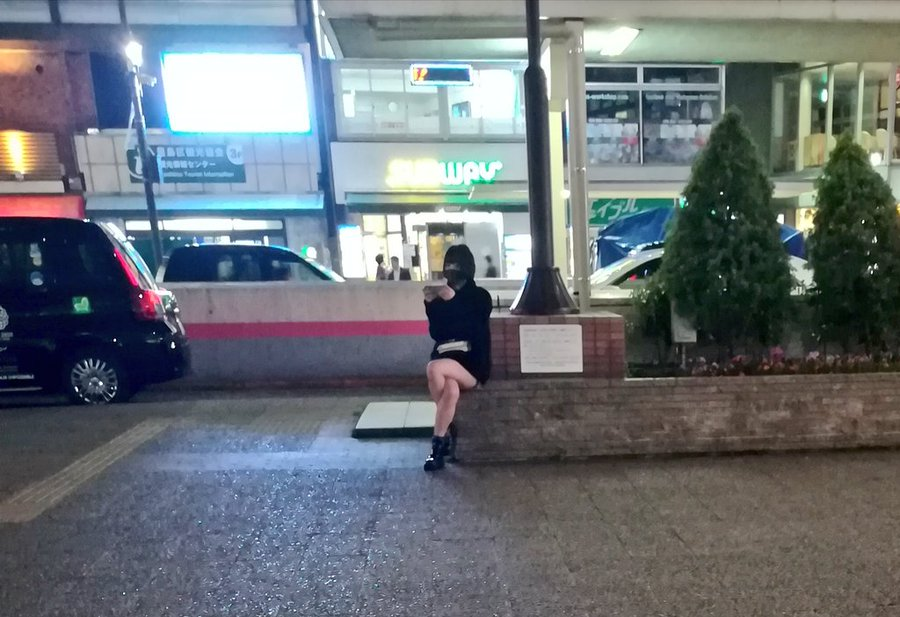
Despite reduced visibility, some activity continues in the area. The demographics and motivations of street-based workers in Ikebukuro are reported to be more varied than in other districts.
As with other areas, law enforcement has increased monitoring and enforcement actions to address this activity.
Legal Status and Risks
Understanding the legal framework surrounding street-based sex work in Tokyo is essential for anyone visiting the city. Japan's legal approach to prostitution is often misunderstood by foreign visitors, so this section provides a thorough overview of the relevant laws, penalties, and enforcement patterns.
The Anti-Prostitution Law of 1956
Japan's primary legislation governing prostitution is the Anti-Prostitution Law (Baishun Boshi Ho), enacted in 1956 and still in effect today. This law defines prostitution as sexual intercourse with an unspecified person in exchange for compensation, and it explicitly prohibits several categories of activity.
Under this law, the following acts are illegal: solicitation of prostitution in public places, agreeing to engage in prostitution, acting as an intermediary or broker for prostitution, providing a venue specifically for prostitution, and receiving income derived from prostitution by another person. The law also criminalizes coercing or compelling someone into prostitution, with significantly harsher penalties for these offenses.
It is worth noting that the law technically does not criminalize the act of selling sex itself in a private context, but rather targets the surrounding activities of solicitation, brokering, and venue provision. In practice, however, street-based encounters inherently involve public solicitation, which is unambiguously illegal.
Penalties and Consequences
Penalties under the Anti-Prostitution Law vary depending on the offense. Simple solicitation can result in detention of up to six months. Acting as a broker or intermediary carries a penalty of up to two years imprisonment and fines of up to 50,000 yen. Managing a prostitution operation can result in up to seven years imprisonment, and coercing someone into sex work carries penalties of up to ten years.
For foreign visitors, the consequences extend beyond criminal penalties. An arrest related to prostitution can result in visa revocation and deportation. A criminal record in Japan can lead to a permanent entry ban, preventing future visits to the country. Even if charges are eventually dropped, the process of being detained, questioned, and potentially deported is disruptive and distressing.
Police Enforcement Patterns
Police enforcement of anti-prostitution laws in Tokyo is not uniform across all districts. Kabukicho in Shinjuku sees the most intensive policing, with regular patrols by both uniformed officers and plainclothes detectives. The area has been subject to periodic crackdown campaigns, particularly in the lead-up to and aftermath of major international events such as the 2020 Tokyo Olympics (held in 2021) and the ongoing tourism boom.
In Kabukicho, police tactics include surveillance of known gathering spots, questioning individuals loitering in certain areas after dark, and conducting sweeps of love hotels and nearby streets. Officers may also monitor and record interactions between suspected workers and potential clients.
In districts like Kinshicho and Uguisudani, enforcement tends to be more sporadic, with occasional targeted operations rather than constant patrols. However, this can change rapidly based on local complaints, political pressure, or media attention. Machida and Ikebukuro have seen increased enforcement in recent years, with visible reductions in street-based activity as a result.
Foreign nationals are not exempt from enforcement. Police in Tokyo have been known to specifically target foreigners in known tachinbo areas, partly because foreign involvement in prostitution is a sensitive political issue. Being stopped and questioned by police, even without arrest, can result in identity checks and records being made. For more detail on the broader landscape of street activity across the country, see our nationwide street guide.
Safety Concerns for Visitors
Beyond the legal risks, engaging with street-based sex workers in Tokyo carries a range of personal safety concerns. These risks are substantially higher than those associated with legal, regulated adult entertainment venues, and visitors should be aware of them before making any decisions.
Health Risks and STI Concerns
As noted earlier, street-based workers operate entirely outside the regulated fuzoku system. Licensed establishments in Japan typically require regular STI testing for their workers and mandate the use of protective barriers during services. Street-based encounters have none of these safeguards.
The risk of sexually transmitted infections is significantly elevated in unregulated encounters. Common STIs reported in connection with street-based sex work include chlamydia, gonorrhea, syphilis, and in some cases HIV. Syphilis rates in Japan have been rising in recent years, and unprotected encounters carry real risk. Visitors should be aware that even with protection, some infections can be transmitted through skin-to-skin contact.
If you have had an unprotected encounter, seek STI testing as soon as possible. Many clinics in Tokyo offer anonymous testing, and some provide services in English. Early detection and treatment are critical for most STIs.
Robbery, Theft, and Physical Danger
Street-based encounters often take place in poorly lit areas, back alleys, and secluded locations. These environments inherently increase the risk of robbery and physical assault. Reported incidents include pickpocketing during the negotiation phase, theft of wallets and phones during or after encounters, and in some cases physical intimidation or assault by accomplices who appear after the encounter has begun.
Certain areas are higher risk than others. The backstreets behind Kinshicho station and the darker alleys around Uguisudani have both been associated with theft incidents targeting clients of street workers. Carrying large amounts of cash or valuables makes visitors a more attractive target.
Common Scam Patterns
Several well-documented scam patterns operate in Tokyo's tachinbo areas. The most common include:
Bait-and-switch: A worker agrees to specific services at a negotiated price, then changes the terms once the client has already paid or is in a compromising position. The actual services provided may be significantly less than what was agreed upon, with no recourse available to the client.
Inflated pricing and hidden fees: Initial prices are quoted that seem reasonable, but additional charges are demanded during or after the encounter. Workers may claim that certain acts cost extra, or that the time has expired and additional payment is required to continue.
Accomplice theft: While the client is occupied, an accomplice enters the room or location and steals valuables from clothing or bags. This is particularly common in outdoor or semi-public locations where belongings are left unattended.
Intimidation and extortion: In some cases, individuals associated with the worker may appear after the encounter and demand additional payment, threatening to call the police or cause a scene. The client, aware of the illegal nature of the transaction, often feels compelled to pay to avoid further trouble.
Organized Crime Connections
Although many street-based workers operate independently, some areas of tachinbo activity in Tokyo have documented connections to organized crime groups (yakuza). These groups may control specific territories, take a percentage of workers' earnings, or use street-based sex work as part of broader criminal operations including human trafficking.
Engaging with workers who are controlled by organized crime means that money spent may directly fund criminal enterprises. It also increases the risk of encountering intimidation, extortion, or violence if disputes arise.
What to Do if Something Goes Wrong
If you find yourself in a dangerous situation in Tokyo, the following emergency numbers are available 24 hours a day:
Police: 110 (Japanese language, but operators can connect to interpreters)
Ambulance and Fire: 119
Tokyo Metropolitan Police English Helpline: 03-3501-0110
TELL Lifeline (English counseling): 03-5774-0992
If you are the victim of a crime, you should report it to the police regardless of the circumstances. While you may face questions about your own involvement, victims of theft, assault, or extortion have legal protections in Japan. Your embassy or consulate can also provide assistance and guidance.
Pricing and What to Expect
For those seeking to understand the economics of street-based sex work in Tokyo, this section provides a factual overview of typical pricing, negotiation dynamics, and logistical aspects. This information is provided for educational context and does not constitute encouragement to engage in illegal activity.
Typical Rate Ranges
Prices for street-based services in Tokyo vary considerably based on district, time of night, nationality of the worker, and specific services requested. As a general reference, the following ranges have been documented:
| Service Duration | Price Range | Duration | Notes |
|---|---|---|---|
| Short encounter | ¥10,000-15,000 | 15-20 min | Most basic option |
| Standard encounter | ¥15,000-25,000 | 30-45 min | Most common arrangement |
| Extended encounter | ¥25,000-30,000+ | 60+ min | Not always available |
| Love hotel (separate) | ¥3,000-7,000 | 1-2 hours | Paid in addition to worker's fee |
Prices tend to be lower in areas like Uguisudani and Kinshicho compared to Kabukicho, where the higher risk of police activity is sometimes reflected in pricing. Weekend nights and holiday periods may see higher prices due to increased demand.
Negotiation Dynamics
Unlike some other countries where extensive negotiation is common, street-based pricing in Tokyo tends to be relatively fixed. Workers typically quote a price upfront, and significant haggling is uncommon and often unwelcome. Attempting to negotiate aggressively may result in the worker simply walking away to find another client.
Prices are almost always quoted in Japanese yen, and cash is the only accepted form of payment. Workers do not accept credit cards, digital payments, or foreign currency. Having exact change or small denominations is advisable, as workers may not carry change for large bills.
Where Services Take Place
Street-based encounters in Tokyo typically take place in nearby love hotels, which are abundant in entertainment districts. Love hotel charges are separate from the worker's fee and typically range from 3,000 to 7,000 yen for a short stay (one to two hours). In some cases, workers may have arrangements with specific hotels or may lead clients to nearby apartments or rooms.
Outdoor encounters do occur but are less common in central Tokyo due to the density of the urban environment and the risk of police detection. In more suburban areas like Machida, encounters in parks or other secluded outdoor locations have been documented.
Time Expectations
Street-based encounters are generally brief compared to services at licensed establishments. Most interactions last between 15 and 45 minutes, including travel time to the location. Workers typically prefer quick transactions and may pressure clients to finish within the agreed time frame. Extended encounters are possible but cost significantly more and are not always available.
Safer Legal Alternatives
Given the legal risks, safety concerns, and ethical issues associated with street-based sex work, visitors to Tokyo are strongly encouraged to consider the many legal alternatives available. Japan's regulated adult entertainment industry offers a wide range of services in controlled, safer environments. For a complete overview of what is available, see our complete adult guide for Japan.
Delivery Health (Deriheru)
Delivery health services are outcall-based adult entertainment services that dispatch workers directly to your hotel room or residence. These services are legal under Japanese law and operate within the regulated fuzoku framework. Many delivery health agencies now offer English-language booking options, making them accessible to foreign visitors.
The advantages of delivery health over street-based encounters are substantial: clear pricing with no hidden fees, workers who undergo regular health checks, the safety and privacy of your own hotel room, and legal protection for both parties. Prices for delivery health services typically range from 15,000 to 40,000 yen depending on the duration and agency, which is comparable to or only slightly higher than street-based rates once love hotel costs are factored in. For detailed information, read our delivery health guide.
Pink Salons
Pink salons are among the most affordable legal adult entertainment options in Tokyo. These small, dimly lit venues offer oral-based services in a seated, semi-private setting. Sessions typically last 20 to 40 minutes and cost between 3,000 and 6,000 yen, making them significantly cheaper than street-based alternatives.
Pink salons are established businesses that have operated in Tokyo for decades. They are found in most major entertainment districts and offer a straightforward, no-negotiation experience with fixed pricing and clear expectations. While few pink salons actively market to foreigners, many will accept non-Japanese customers without issue.
Fashion Health
Fashion health establishments offer a broader range of non-penetrative services in private rooms within licensed venues. These services are legal and regulated, with workers undergoing health screenings. Sessions typically last 40 to 80 minutes and cost between 10,000 and 25,000 yen.
Fashion health venues provide a comfortable, clean environment with amenities such as showers and private rooms. The experience is more relaxed and comprehensive than street-based encounters, with clear service menus and transparent pricing.
Why Legal Alternatives Are Better
The benefits of choosing legal fuzoku services over street-based encounters can be summarized across several dimensions:
Health and safety: Licensed venues require regular STI testing and maintain hygiene standards. Workers are trained in safe practices, and protective barriers are standard.
Legal protection: Engaging with licensed services does not carry the risk of arrest, fines, or deportation. Both clients and workers operate within the law.
Clear pricing: Licensed venues publish their prices and include all fees upfront. There are no hidden charges, no bait-and-switch tactics, and no risk of extortion.
No criminal connections: Regulated establishments operate independently of organized crime. Your money supports a legal business rather than potentially funding criminal activity.
Quality of experience: Licensed venues invest in comfortable facilities, trained staff, and customer service. The overall experience is more pleasant, reliable, and satisfying than a hurried street-based encounter in an unfamiliar location.
Essential Japanese Phrases
For visitors looking to explore Tokyo's legal adult entertainment options, our venue directory lists foreigner-friendly establishments across the city with details on services, pricing, and English availability. We also recommend reviewing our Shinjuku tachinbo guide for additional context on how the regulated and unregulated scenes coexist in Tokyo's largest entertainment district. For information on street-based sex work from a sociological perspective, see our broader overview.